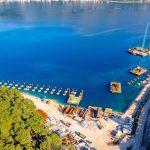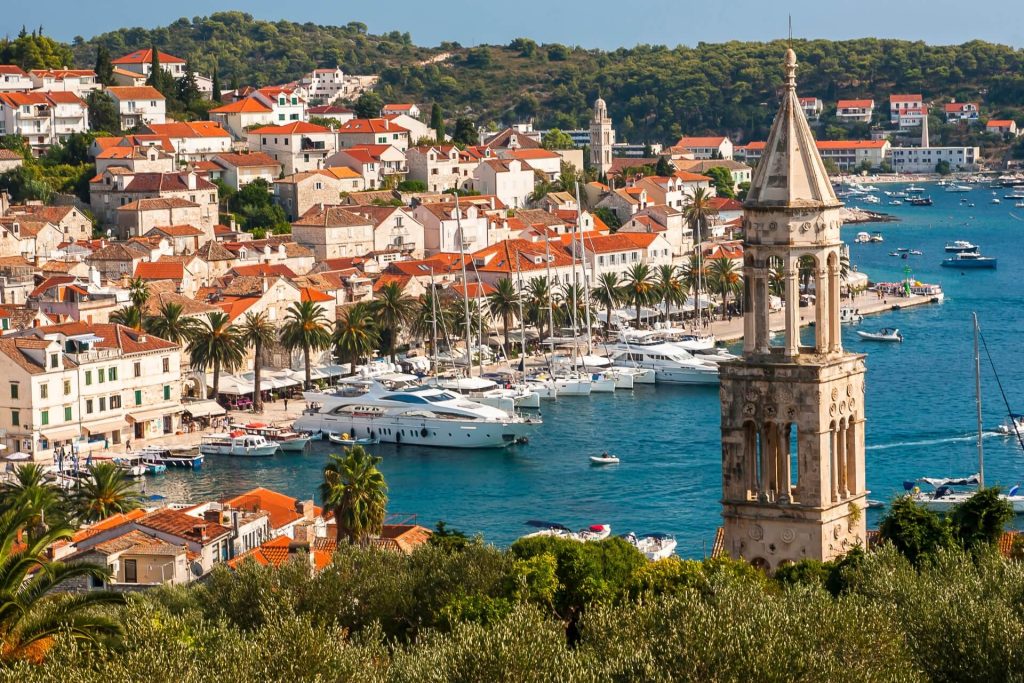
The Port of Hvar is one of the busiest and most demanding maritime hubs on the Croatian coast during the tourist season. Managing such a port system requires good organization, constant communication with users and quick adaptation to the challenges that the season brings. We spoke to Andrej Pavičić, head of the port operations department at the Hvar Nautical Center, about what everyday life in the Hvar waters looks like.
The Nautical Center Hvar company primarily deals with mooring and unmooring services, electricity and water supply, and the collection of waste from ships, explains Pavičić. In addition, the center’s employees for the Port Authority collect port fees and, of course, maintain order in the port. The port area they manage is precisely defined and accessible to the public via the “pomorsojedobro” platform.



Cooperation with shipowners is very good
During the summer months, when the pressure on the port is at its highest, work is organized in two shifts, from 6 am to 10 pm. The port is divided into an operational shore and a nautical section. In each of these sectors, employees are constantly present to organize the mooring of ships and monitor the flow. In order to ensure that services can be provided on time and without downtime, an average of five people work in one shift.
Cooperation with users, including small ship owners and tourist operators, has been rated very good in recent years. According to Pavičić, the key to success is clearly defined rules, mandatory announcement of arrival, precise boarding and disembarkation times, which achieves order and satisfaction for all involved. Any complaints from users are very rare, and if they do exist, they most often relate to technical details such as errors in billing.
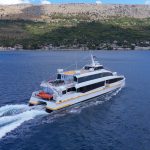
In the context of the balance between local needs and commercial interests, he emphasizes that all stakeholders are trying their best to accommodate each other. – Local boats, yachts, tourist passenger ships and regular catamaran lines meet in the port every day, and space and time must be carefully coordinated, explains Pavičić.
Crowded in season
One of the biggest challenges is certainly the exceptionally high number of arrivals during the season. In order to relieve the main coast in Hvar, the Nautical Center this year redirected tourist boats carrying cyclists to the port of Vira, also under the jurisdiction of the Port Authority. This has achieved greater flow and safety within the port of Hvar.
Preparations for the season are being carried out in coordination with the Port Authority, which sends the concessionaire a questionnaire every year about the necessary equipment. Pavičić rates the cooperation as excellent, as is the case with the Port Authority and other control bodies.
When it comes to infrastructure, the Port Authority is continuously investing in improvements, Pavičić points out. For example, last year new bollards were installed to increase mooring safety, and investments are regularly planned according to priorities from the field.