In the small, peaceful bay of Zaton near Dubrovnik, while guests enjoyed a swim, we spoke with Ms. Aida Cvjetković, a cruise manager, tour guide, and PhD in population history and demography, whose professional journey in tourism spans 57 years. Her story reveals not only a wealth of experience, but also a deep understanding of the industry, interpersonal relationships, and the need for self-education.
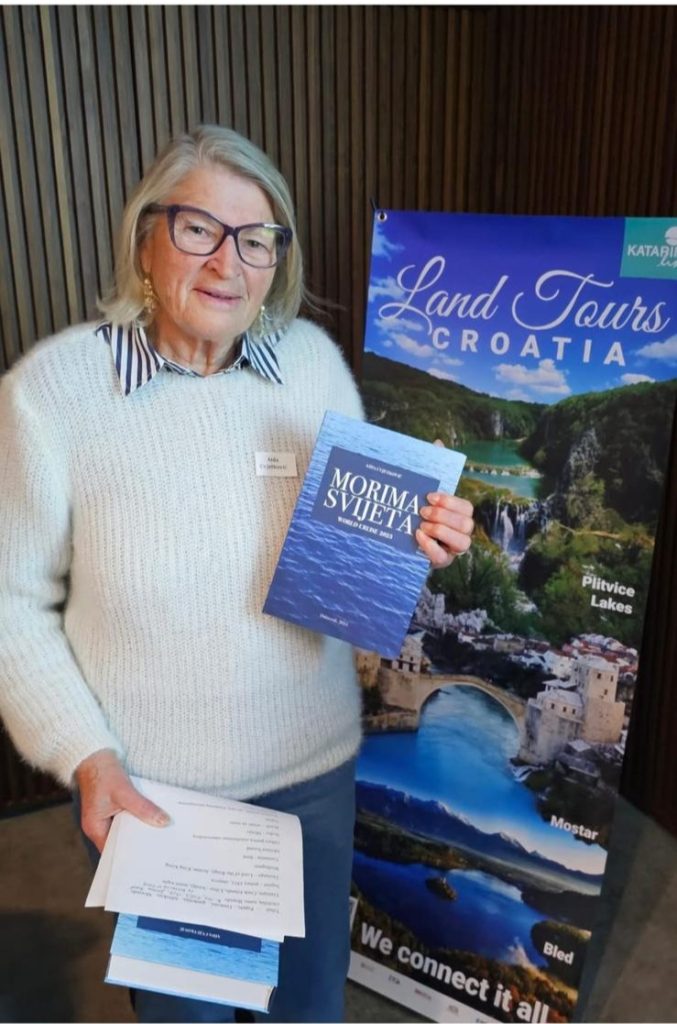
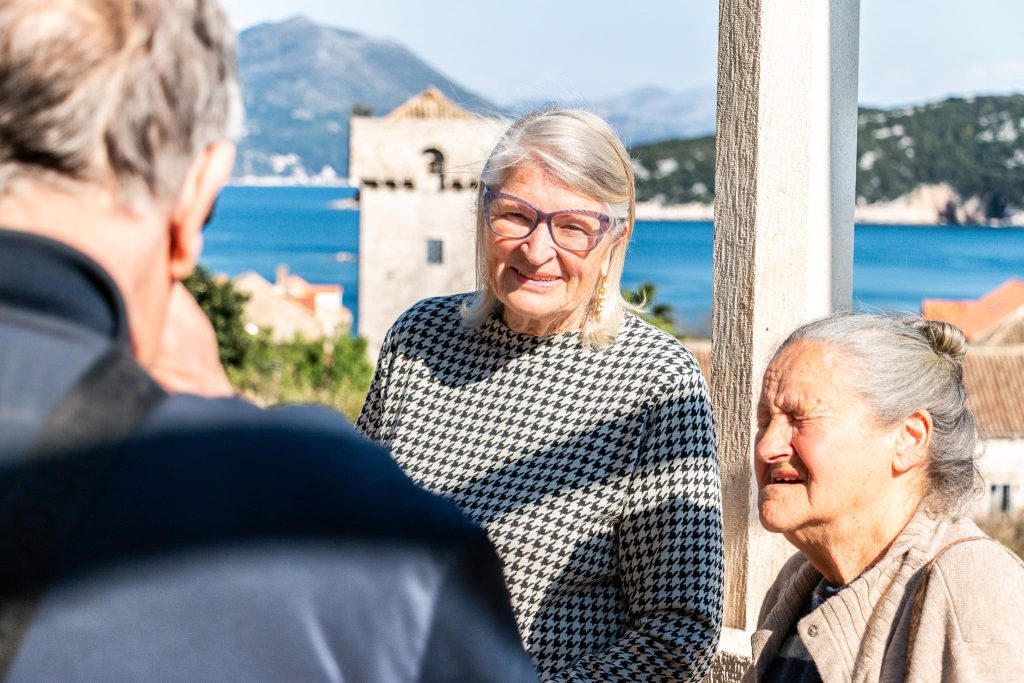
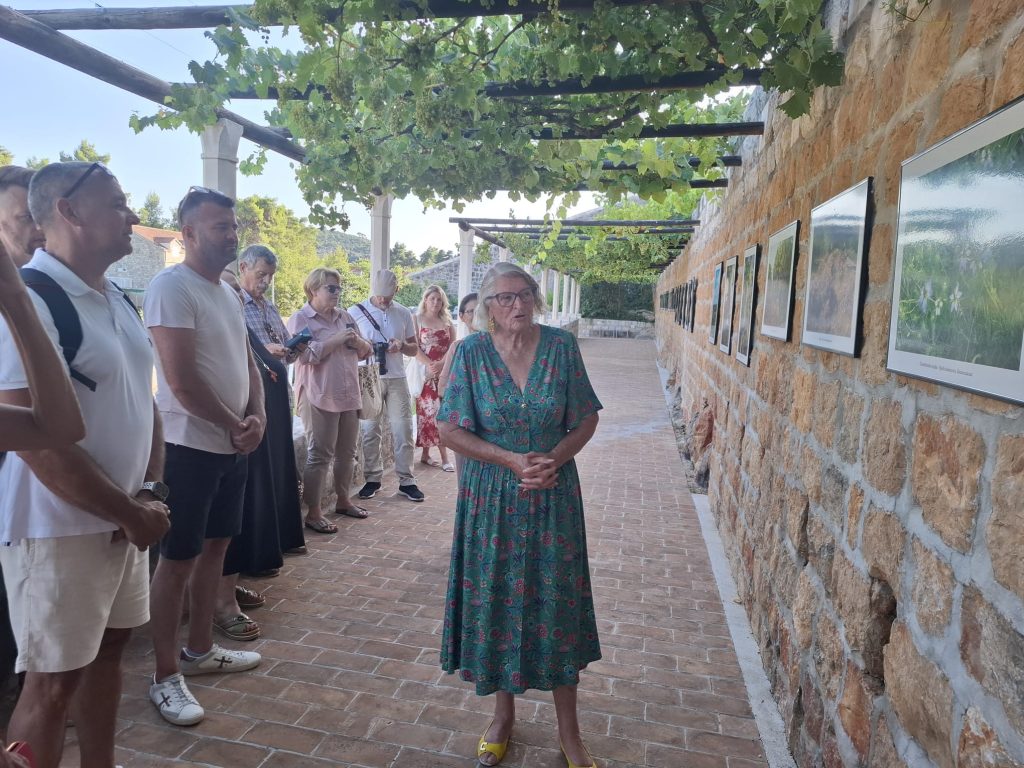
“I started as a high school student, leading tours around Dubrovnik. During my studies, I worked at Atlas, then one of the most reputable travel agencies, not only in the former Yugoslavia, but in the world. It was a real school of tourism! Guests were taken care of, as well as staff education,” begins Aida, adding that even more than 50 years ago, Croatia was a destination for world adventurers who were enchanted by its beauty. First of all, the cleanliness of our sea.
Her passion for tourism never waned, and her love for ships and the sea brought her back to mini cruisers, where today, although retired, she works as a cruise manager as a freelancer in collaboration with the Katarina Line agency.
“This is a job that requires much more than organization. You have to be a guide, an organizer, a psychologist, sometimes a nurse. Every week I move from ship to ship, meeting people from all over the world, with different expectations and cultures.”
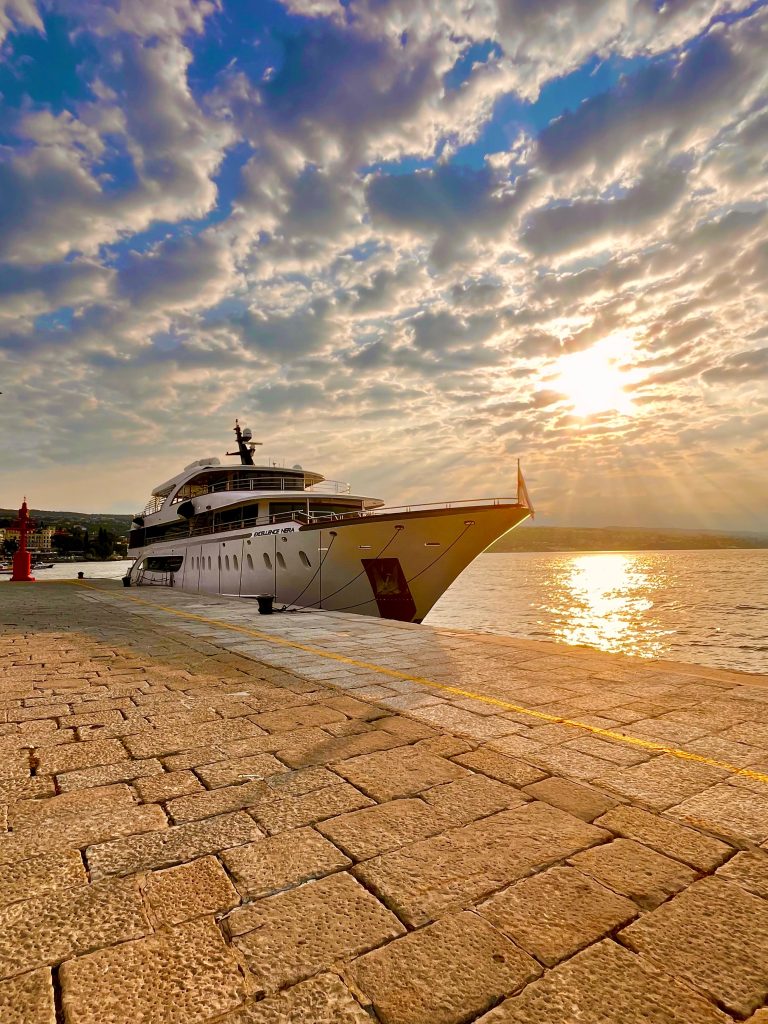
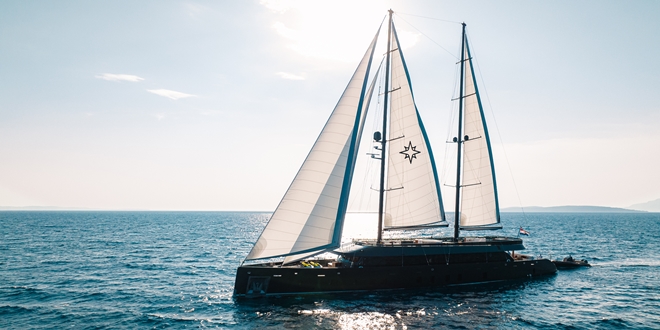
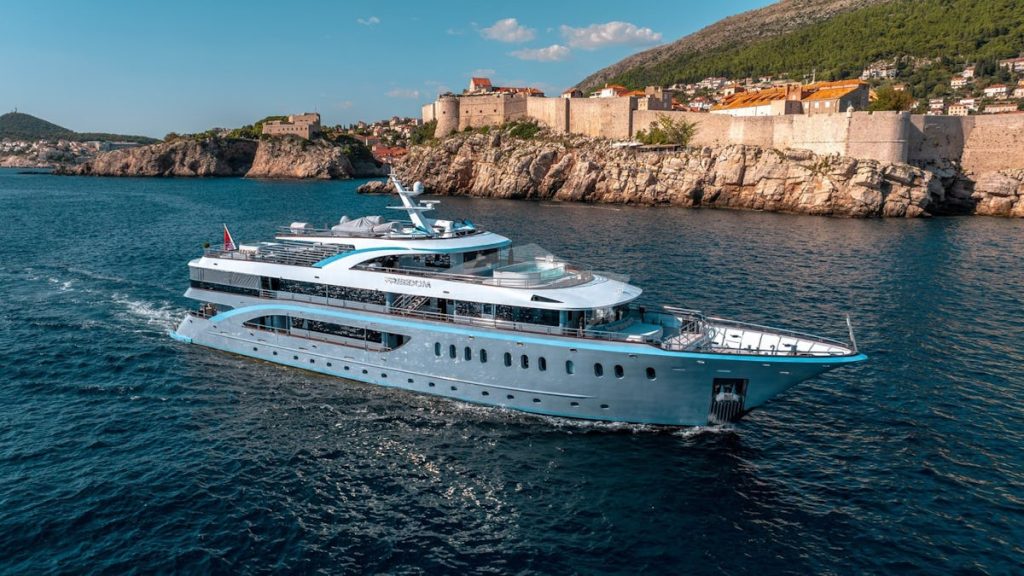
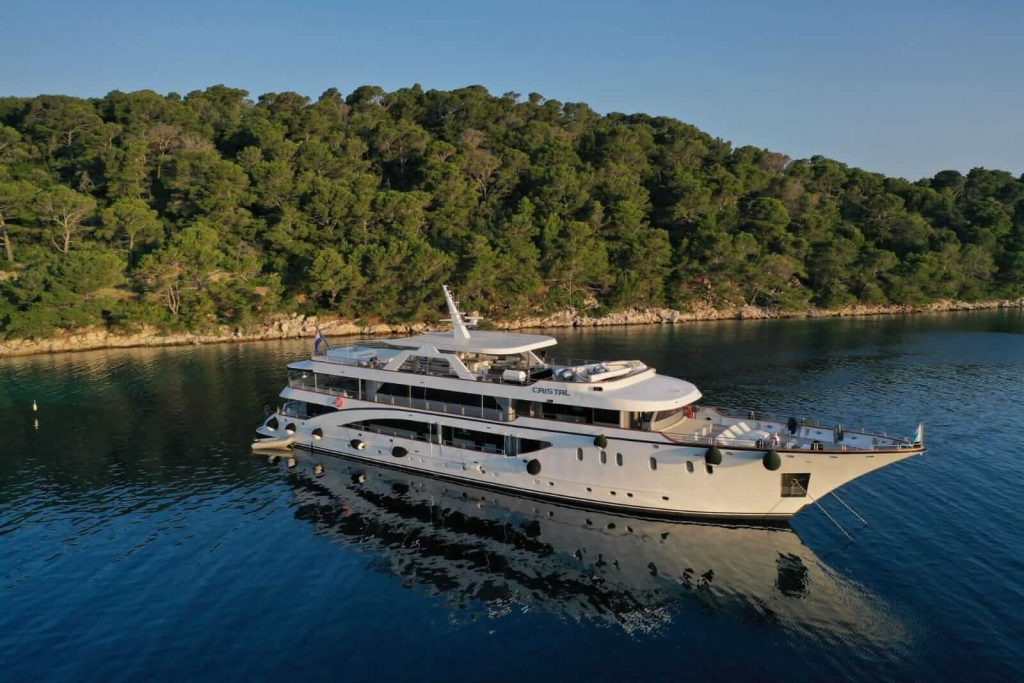
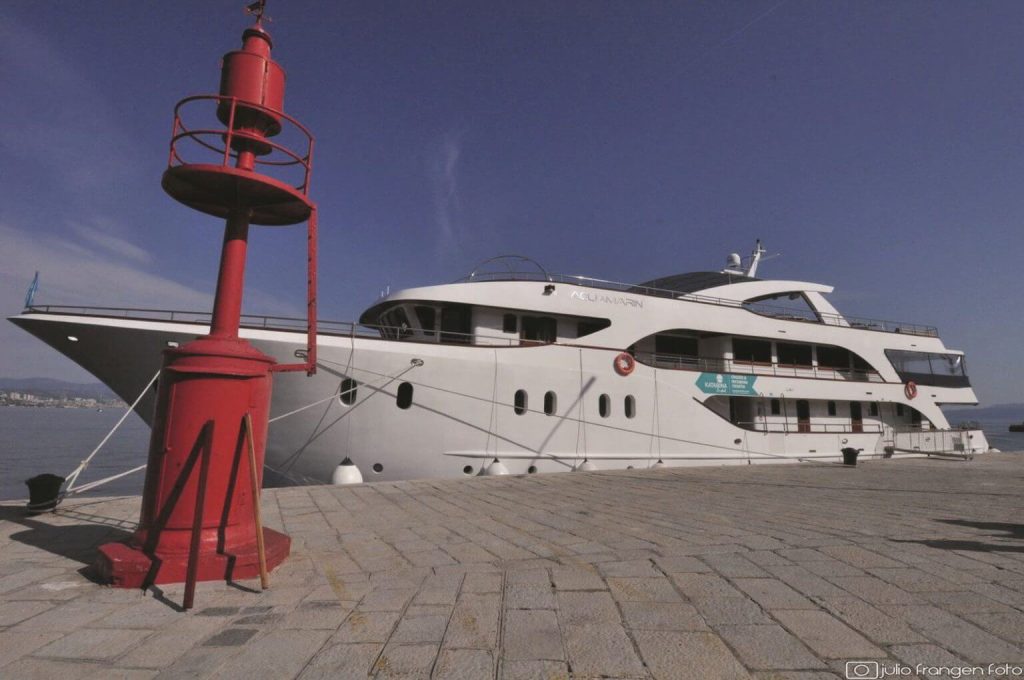
Mini cruisers are an authentic Croatian tourism product
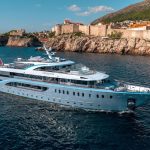
Aida particularly emphasizes that mini cruisers are one of the most valuable and authentic tourist products that Croatia has:
“I’ve visited 97 countries around the world and I can tell you that what we have, with our mini cruisers, no one else has. Guests can sail into small bays that big ships can’t even get close to. For a few hours, that bay becomes theirs alone. And that’s a special experience.”
Unlike mass tourism and large cruise ships, mini-cruises offer an intimate and personalized experience: “On large ships, you are a number. Here, you are a person. Here, you are greeted by name. You meet the captain, the chef, the crew. You sail during the day, through beautiful scenery, and guests can dine in a different destination every night and get to know the local culture and gastronomy.”
This product, he says, must remain authentically Croatian. – It is not just a tourist package. It is a cultural, natural and identity experience that Croatia offers and we must preserve and nurture it.
Why mini cruisers need better support
Despite its uniqueness, mini cruise tourism is still not developing systematically. “We don’t have synergy between the number of ships and infrastructure. There is no coordination. There is a lack of strategic support, staff education, regulations. All of this threatens to collapse a top-notch product that could still become our trademark.”
He also points out that mini-cruisers suit the modern, conscious guest: “People are looking for authenticity, peace, nature. They are running away from cheap entertainment. That’s exactly what we can offer them here. And those who experience it, come back!”
Lifelong education is the key to professionalism
She describes herself as a lifelong learner. Among other things, to upgrade her knowledge and expertise, she completed a sommelier course, first aid training, and traveled to South Africa and India to better understand the behaviors of guests from those regions.
“In a group of 40 people, you never know who is an expert on wine, history, ecology… You have to be prepared. You can’t afford ignorance, it can cost you credibility,” she says to anyone who might decide to do her job in life, which she says she sees more as a forced vacation.
She also points out that agencies and the tourism sector in general should invest more in the education of guides and cruise managers, especially in winter, when there is time for it. “This is not a job that can be learned from a brochure. You need general culture, etiquette, psychology, understanding people. And that doesn’t just come with a certificate. It comes with a life during which it is necessary and necessary to work on yourself,” emphasizes Aida, who speaks fluent English, German, French, Italian and a little Spanish, and last year, after sailing around the world in 2023, she published a book called “The Seas of the World”.
Shared responsibility for conservation
In addition to quality and knowledge, Aida strongly emphasizes the importance of preserving the environment. “Our sea is not only the most beautiful, but also the cleanest in the Mediterranean. Not thanks to us, more to the currents and the lack of industry. But that does not absolve us of responsibility, we must protect it, not just use it.”
He also warns of a lack of strategic support for mini cruise tourism. Namely, he says there is not enough synergy between the number of ships and infrastructure. Everything is growing, but without order. If we want a sustainable product, we need a clear strategy.
At 77 years old, Aida is energetic, articulate and dedicated to her calling more than ever.
“If you want to do this job, you have to be a student your whole life. Don’t wait for someone to teach you, but find out for yourself where you lack knowledge. You can’t represent a country without being prepared for questions. And every new group is a new challenge.”