Generation Z has the potential to offer solutions that will reconcile cultural heritage preservation with innovative approaches to tourism. Historic cities are often neglected in modern tourism strategies, it is time for a change.
Cultural tourism has always been an indispensable part of the Croatian tourist offer, but also of the tourist offer of numerous European and world countries, so it is not surprising that representatives of Generation Z are interested in and recognize the potential of this segment, which is becoming an increasingly visible driver of change here as well.
By attending courses on this topic at their polytechnics and faculties, young people bring a fresh perspective, creative ideas and the ability to connect tradition with modern trends, which enables them to be quality stakeholders in further development, but also in the protection of cultural heritage. Education and active involvement and participation of young people in cultural tourism projects, at professional gatherings and conferences results in recognition at international forums, while becoming examples of good practice.
An example of this is the 11th International Congress of Historic Cities 2025, held this year, with panels on the theme “Cultural Tourism and Generation Z”, which further encouraged student participation. This event specifically confirmed the key role of young people in the changes brought about by new technologies and innovative approaches in cultural tourism, especially in historic cities rich in heritage and tradition.
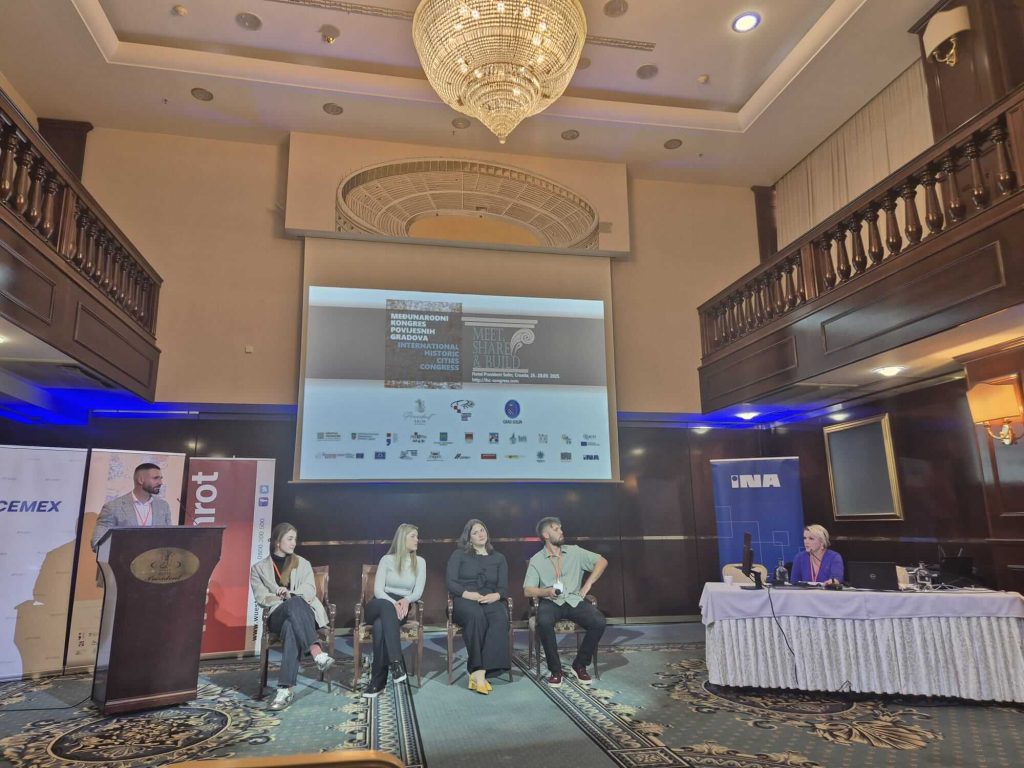
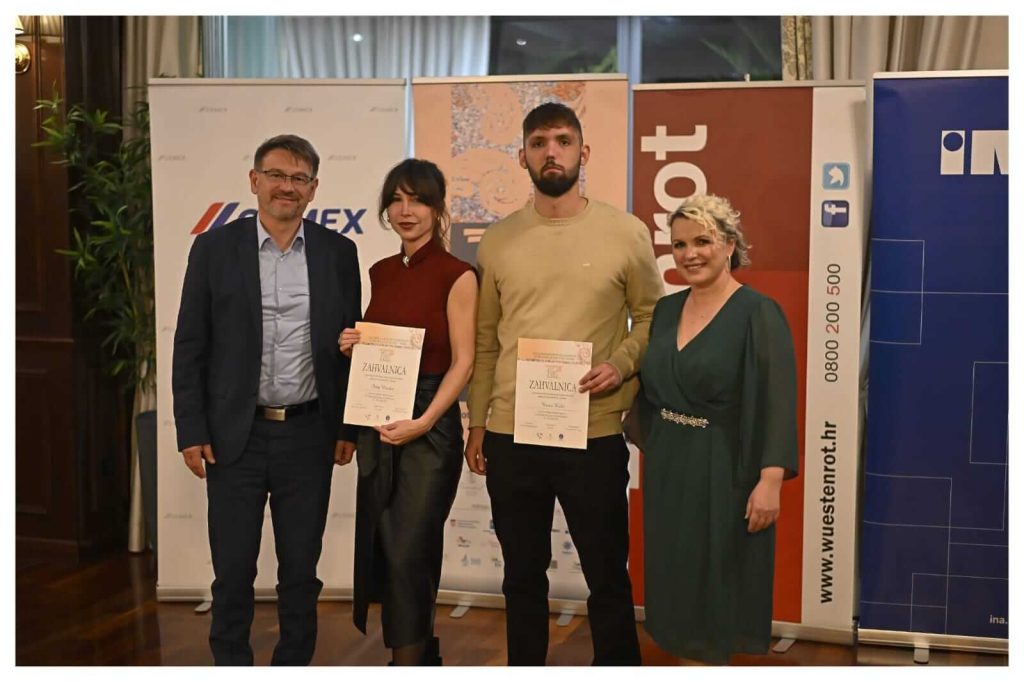
“Participating in this event was an extremely valuable and inspiring experience for me. It was an opportunity to express my views, together with other young people, on the role of our generation in shaping the future of cultural tourism, especially in historic cities that are often neglected in contemporary tourism strategies,” said Bruno Kulić, panelist and graduate student at Aspira Polytechnic, adding: “Young people have fresh ideas, different perspectives and a deep understanding of the digital environment that is increasingly shaping the way culture is experienced and consumed. Our involvement in creating cultural and tourism strategies should not be an exception, but the rule. It is particularly important to highlight the role of new technologies and artificial intelligence in presenting cultural content. Interactive applications, virtual and augmented reality (VR and AR), digital guides, chatbots in museums and personalized AI assistants can significantly improve the user experience and bring cultural content closer to younger generations in a way that is close and natural to them. Artificial intelligence can, for example, analyze visitors’ interests and recommend individualized cultural routes, connect content with educational and entertainment elements and thus encourage greater engagement and interest in heritage. I believe that it is Generation Z that has the potential to offer solutions that will reconcile cultural heritage preservation with innovative approaches to tourism, thus ensuring the sustainability and relevance of historic cities for future generations. This is precisely why the voice of young people should be actively included in the dialogue with decision-makers, experts and local communities, especially when it comes to introducing technologies that will shape the tourism experience of the future.”
Aspira Polytechnic is known for its continuous support to students in the implementation of innovative projects, which has resulted in recognition and awards at national and international competitions. Teachers Petra Mandac and Sandra Kovačević, registered as sector experts by the Ministry of Science, Education and Youth, further confirm their expertise and commitment to the development of this field. Professor Mandac gave a notable public presentation on the topic of “Accessibility in Cultural Tourism” at the aforementioned congress, for which she was awarded for her exceptional contribution to the congress and her long-standing commitment to international academic and cultural cooperation.
Members of Generation Z emphasize that working in cultural tourism has enabled them to develop practical skills, acquire new knowledge, and be motivated to continue working in the community. “The importance of mentoring and support from my Polytechnic has enabled me to turn my idea into a concrete contribution to heritage preservation,” says Ivana Sivro, a student who won an award for her project on the valorization of traditional viticulture.
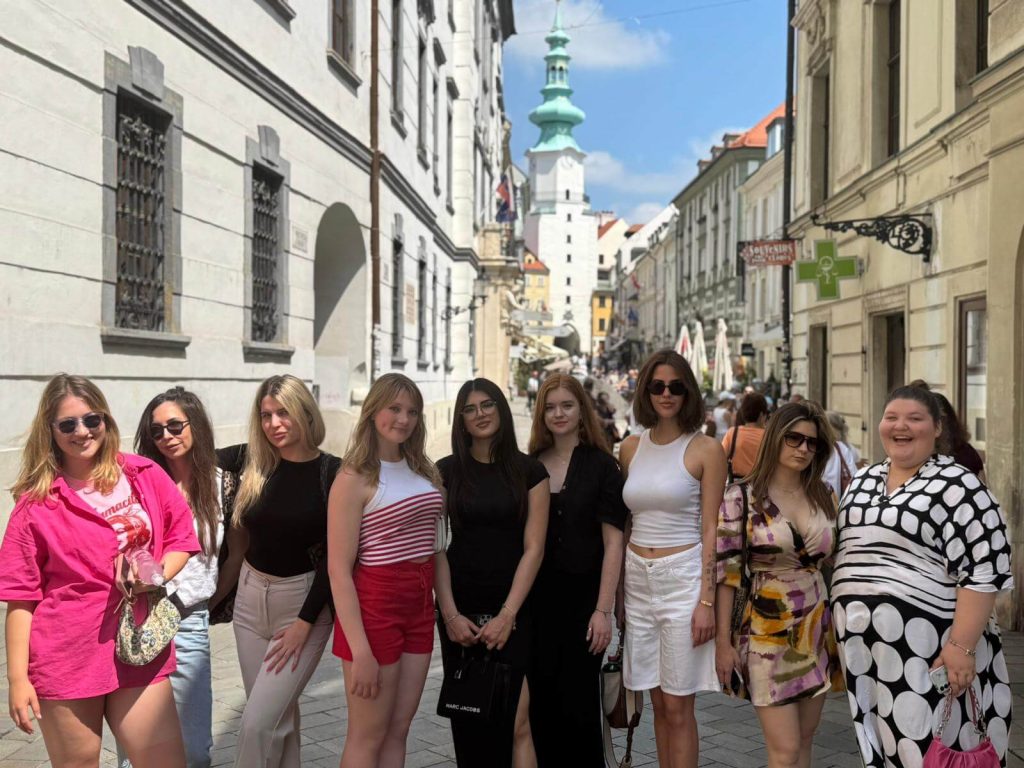
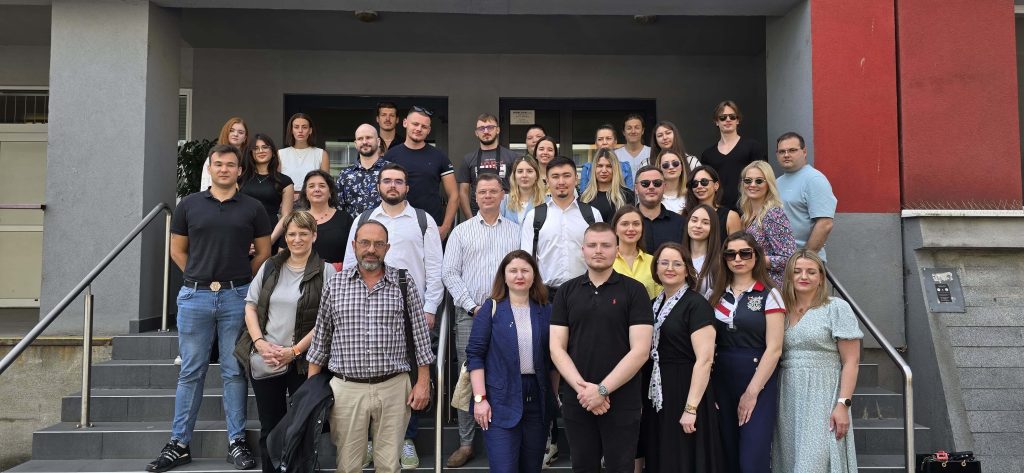
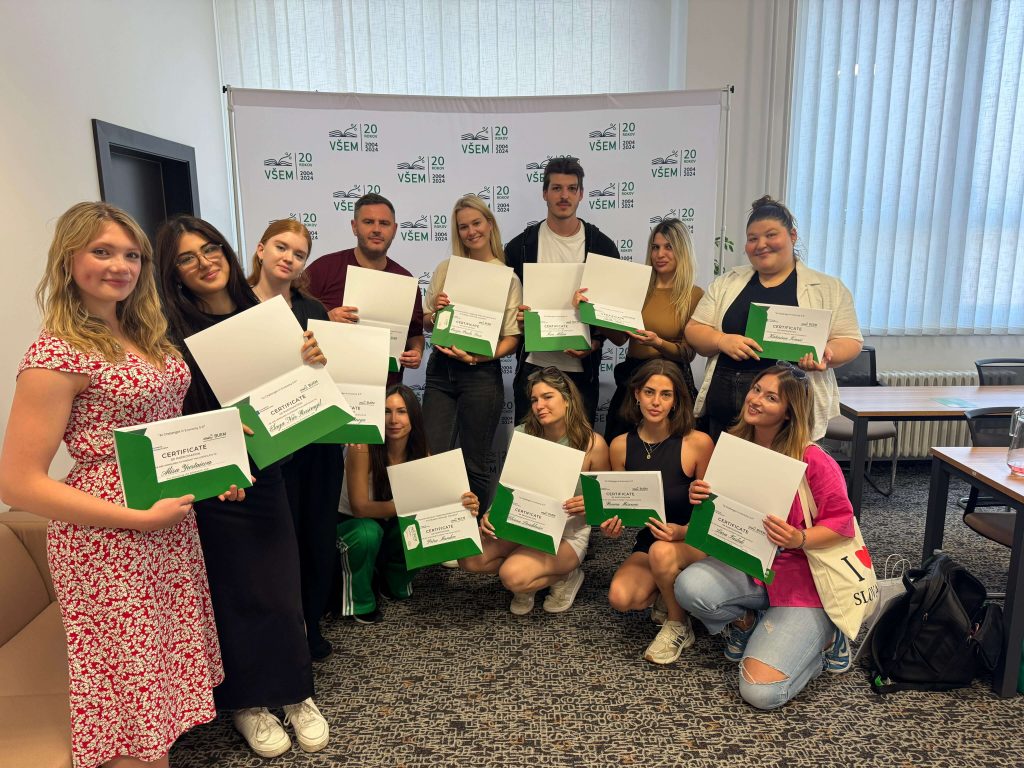
This month, Aspire professors and students participated in the ERASMUS+ BLENDED INTENSIVE PROGRAM at the Bratislava University of Economics and Management (BUEM), entitled “Innovative Horizons: Integrating Global Connectivity and AI in Modern University Education”. The program was aimed at monitoring and developing student innovation potential through projects with a focus on artificial intelligence challenges and Economy 5.0 concepts, which further emphasizes the importance of integrating new technologies into all spheres of culture, education and economy.
Generation Z, with quality support from higher education institutions, therefore has real potential to be a key player in the development of cultural tourism and the preservation of historic cities. Through education, innovative projects and the implementation of new technologies, young people are changing the way culture is experienced and promoted, ensuring a sustainable future for Croatian and global cultural destinations.