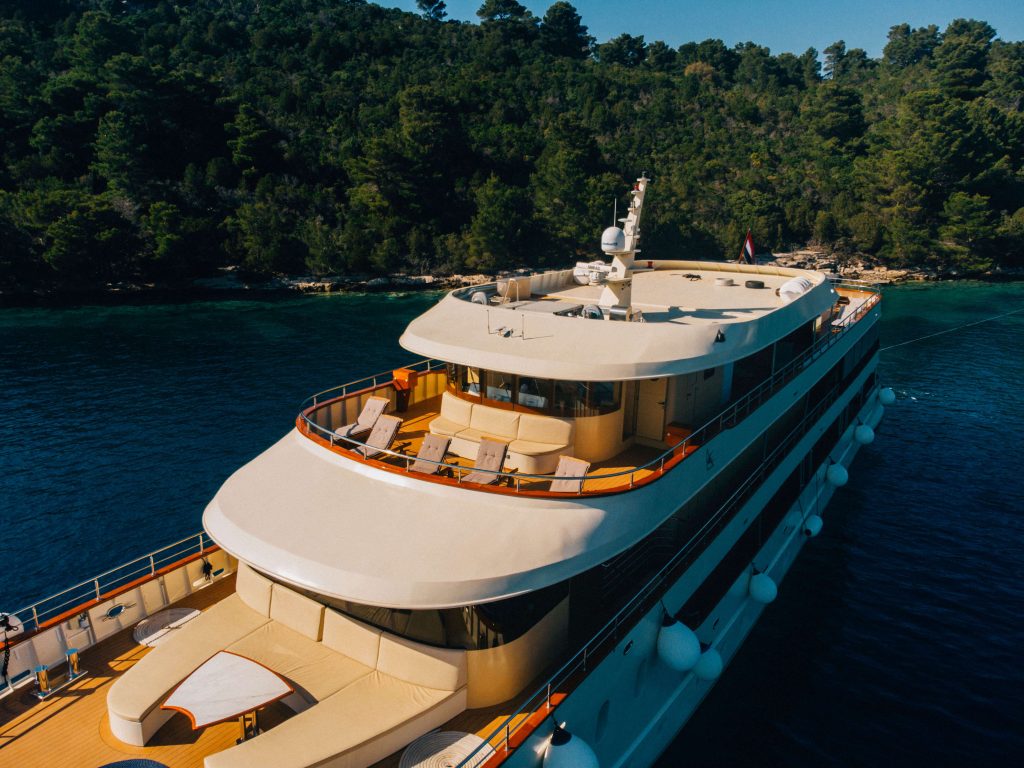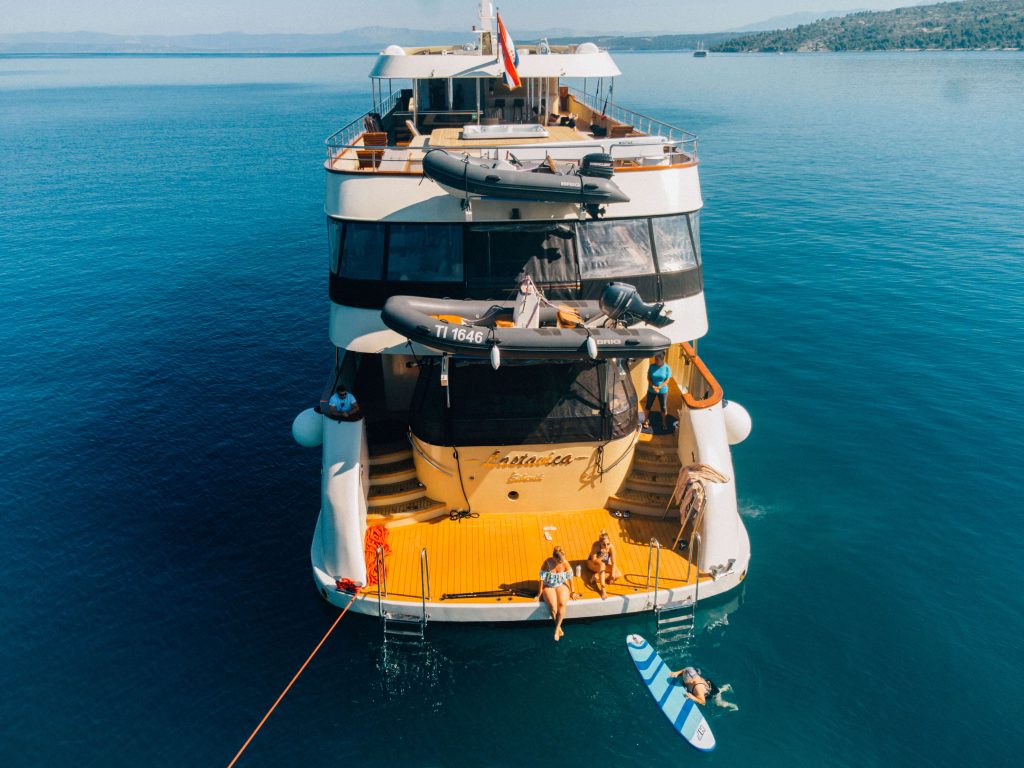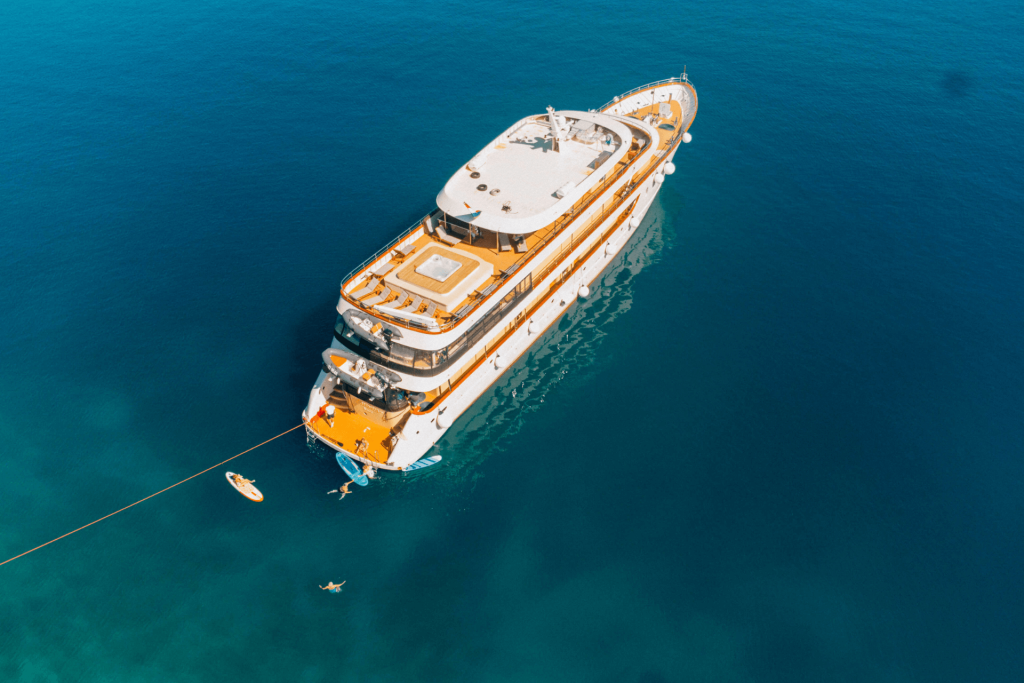
Croatia, with its unique fleet of mini-cruisers, is becoming increasingly recognizable as a destination for luxury and authentic tourism. These ships, which combine intimacy, top-notch service and access to hidden Adriatic gems, are attracting more and more tourists, especially from the United States. However, while the potential of this segment is growing, Croatian shipping companies are facing a number of challenges that complicate their daily operations and long-term planning.
Luxury, authenticity and sustainability of Croatian mini-cruisers as a response to mass tourism
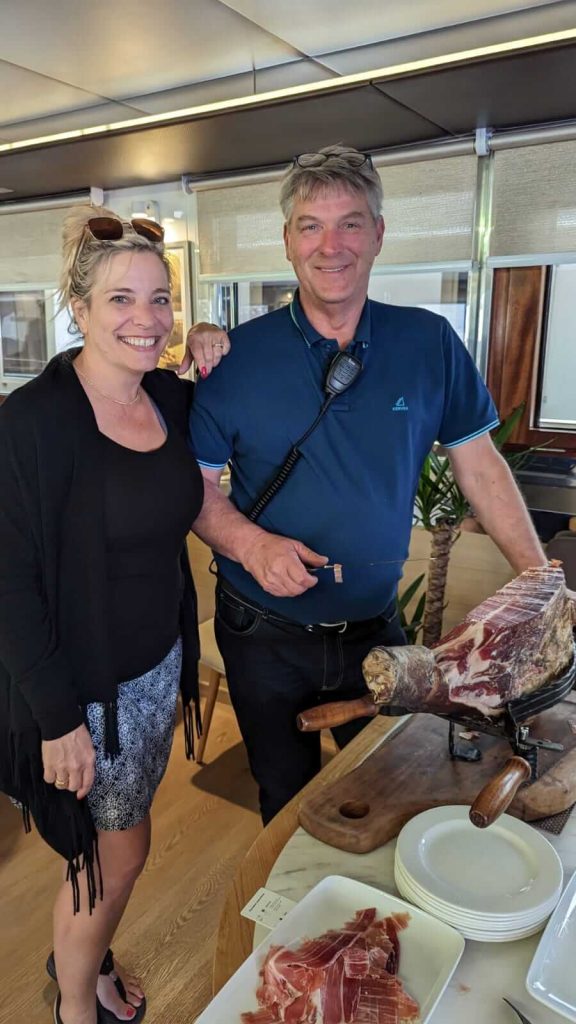
Suzanne Schreiner, owner and travel expert at the American agency Azure Blue Vacations, which specializes in luxury travel and cruises, emphasizes that Croatia is unique in the world precisely because of its mini-cruiser fleet. “In America, we see these ships as luxury yachts. They offer an exclusive experience that is not available in neighboring countries such as Greece and Turkey. Croatia has a unique position and potential to become a global leader in this segment,” explains Schreiner, adding that Croatia is the only country in the Mediterranean that offers ships of this size, which is why she often receives inquiries about whether ships from Croatia can be found, for example, on the coasts of Greece.

Mini-cruisers allow tourists to experience the authenticity of the Croatian coast – from the Venetian architecture of historic cities to local gastronomy and top wines. In addition, they provide the opportunity to explore smaller and less well-known ports, which makes them an ideal choice for travelers looking to escape mass tourism. Compared to large cruise ships, which often bring crowds and limited flexibility, mini-cruisers offer a personalized approach and an exclusive experience. This balance between luxury and local charm positions Croatia at the top of the list of destinations for demanding tourists.
Cooperation with Lastavica Cruising as an example of quality and innovation
One of the more prominent examples of successful business in this segment is the cooperation with Lastavica Cruising, a Croatian company specializing in mini-cruises. “Lastavica is a special case because the Stančić family independently manages and owns the ships, which guarantees consistency in quality and service,” says Schreiner.
In addition to top-notch service, Lastavica offers innovative itineraries that allow guests to experience the best of the Adriatic coast. Schreiner explains that Lastavica plays a key role in promoting Croatia as a top destination: “They are not just ship operators – they are ambassadors of Croatia. Their attention to detail and hospitality make them a true example of quality in this sector.” In addition, Lastavica is actively working on cooperation with international agencies to increase awareness of Croatia and attract new guests from all over the world.
Challenges facing shipowners
One of the biggest challenges for Croatian shipowners is the lack of clear information about future infrastructure projects in key ports such as Split. Namely, due to the announced reconstruction works, shippers will not have a place to moor in the Split port this season, and agreements on alternative berths and ports have not borne fruit so far. Suzanne Schreiner emphasizes that American tourists plan their trips years in advance, and uncertainty about the availability of the Split port can seriously jeopardize their expectations. “Americans are not flexible when it comes to changing plans. If you promise them Split, they expect it. The lack of information makes long-term planning difficult and puts us in an unenviable position,” explains Schreiner, adding that reservations for 2026 are already open since 2025 is almost completely sold out.
In addition, Split and Dubrovnik are facing the problem of overcrowding, which is why smaller ports like Šibenik are increasingly interesting. Although Šibenik is smaller and quieter, the port’s capacity is limited to a few ships at a time, so this challenge, Schreiner points out, opens up space for better cooperation between local authorities and tourist boards. “Šibenik offers an ideal experience for luxury guests. Tourists can enjoy a relaxed embarkation after staying in top-class hotels. However, capacities are limited and greater coordination is needed to ensure a long-term sustainable solution,” says Schreiner, adding that the City of Šibenik, and especially the Šibenik-Knin County Tourist Board, are a good example of the openness of local institutions and their readiness for cooperation and support.
Administrative incoherence
In addition to infrastructure challenges, administrative incoherence represents an additional obstacle to the development of this segment. Schreiner emphasizes the importance of clear communication between shipowners, local authorities and tourist boards. “Croatia has enormous potential, but administrative obstacles can slow us down. Better organization and coordination are key to further success,” he adds.
Despite the challenges, Schreiner is optimistic about the future of Croatian mini-cruises. “This segment has huge growth potential. Mini-cruises offer the luxury and authenticity that Americans increasingly value. If we can solve the infrastructure and communication, Croatia can become a world leader,” she concludes.
Hawaii as an example of elite tourism that respects local authenticity
The mini-cruise industry has a great opportunity to help build tourism in a way that provides a balanced ecosystem between tourists and locals. Since most cruise ships offer a maximum capacity of only 36 guests, it is possible to increase the economy of Dalmatian communities without excessive tourism. A good example can be found in Hawaii, where there is great respect for the desire of locals to maintain the authenticity of their towns and villages. However, without tourism, their economy and residents suffer, leaving locals without jobs and businesses without customers. Therefore, finding a balance between the two is key to future success. Mini-cruises offer Dalmatia an excellent solution to this dilemma by presenting its cities and culture to tourists in a manageable and cost-effective way.
Potential for growth and promotion
Croatia has incredible potential for further growth in the mini-cruise segment. Schreiner points out that Americans are increasingly interested in this form of tourism because they are looking for more authentic and sustainable experiences. “After the COVID-19 pandemic, people value the quality of travel more. Mini-cruises offer just that – luxury, authenticity and sustainability,” says Schreiner.
In addition, mini-cruises are becoming increasingly popular among the younger generation of travelers who are looking for unique experiences away from traditional tourist routes. To capitalize on this trend, it is crucial to invest in the promotion and education of international travel agencies, which can effectively present Croatia’s offer on the global market. Schreiner emphasizes the importance of continuous investment in relationships with key partners and information exchange as the foundation for further success.
Croatia as a global leader
Mini-cruises are not just a tourist product – they are a symbol of Croatian tradition, hospitality and innovation. Cooperation with companies like Lastavica, which offer top quality and authenticity, shows how Croatia can solidify its status as a leading destination in luxury tourism. Schreiner concludes: “Croatia has everything you need – beautiful coastline, unique ships and hospitable people. With the right approach, you can become a global leader in this industry.”