Source: Eto Renew Platforma
Heritage is the living fabric of island communities, and the Fisherman’s Museum in Vrboska is its beacon, from the enthusiasm of locals to European investments.
The new building of the Fisherman’s Museum was officially opened in Vrboska, 53 years after its founding. This event marks an important moment for the preservation of the fishing heritage of Dalmatia and the island of Hvar. The museum now receives permanent space, a modern permanent exhibition and the opportunity to operate year-round. The renovation was made possible by co-financing from the European Maritime and Fisheries Fund. This has made Vrboska an example of how local heritage can be the basis for the sustainable development of an island community.
In a permanent home – a new chapter of the Fisherman’s Museum
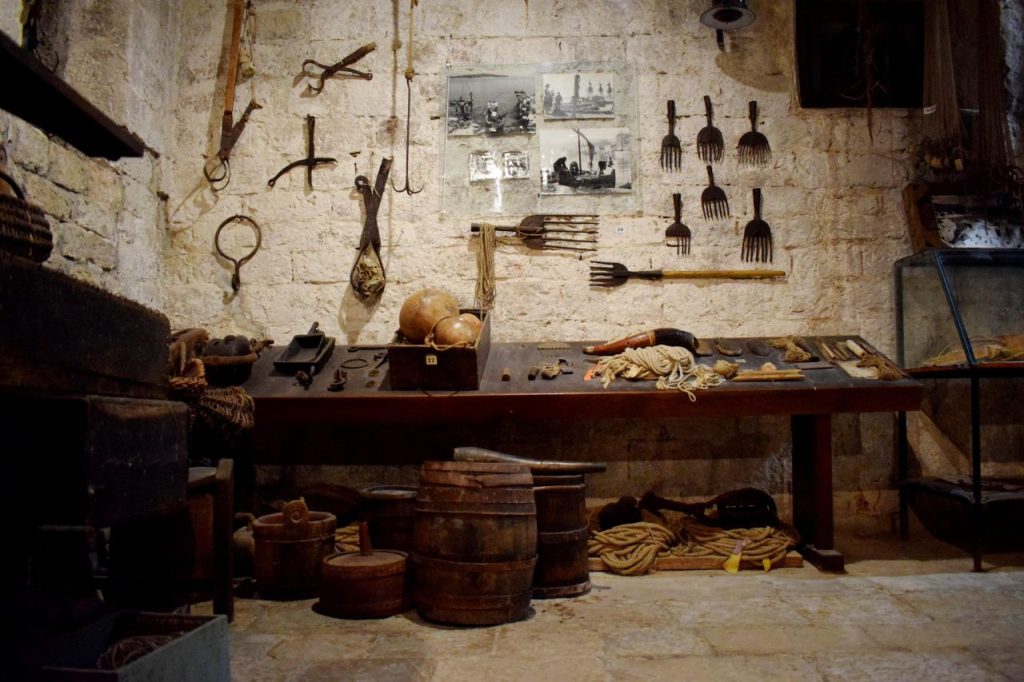
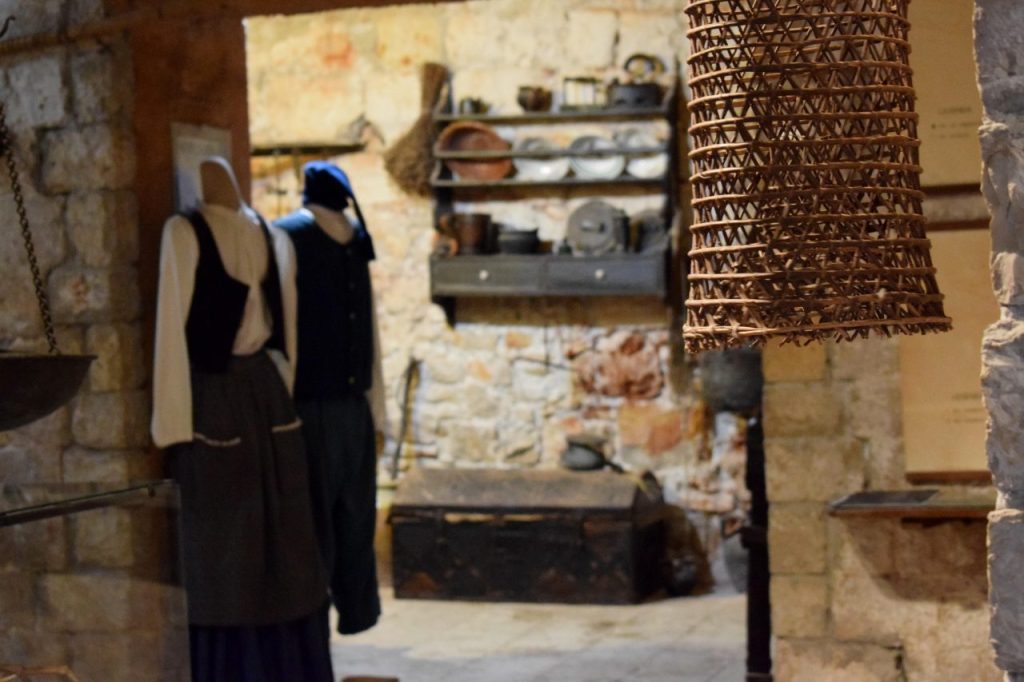
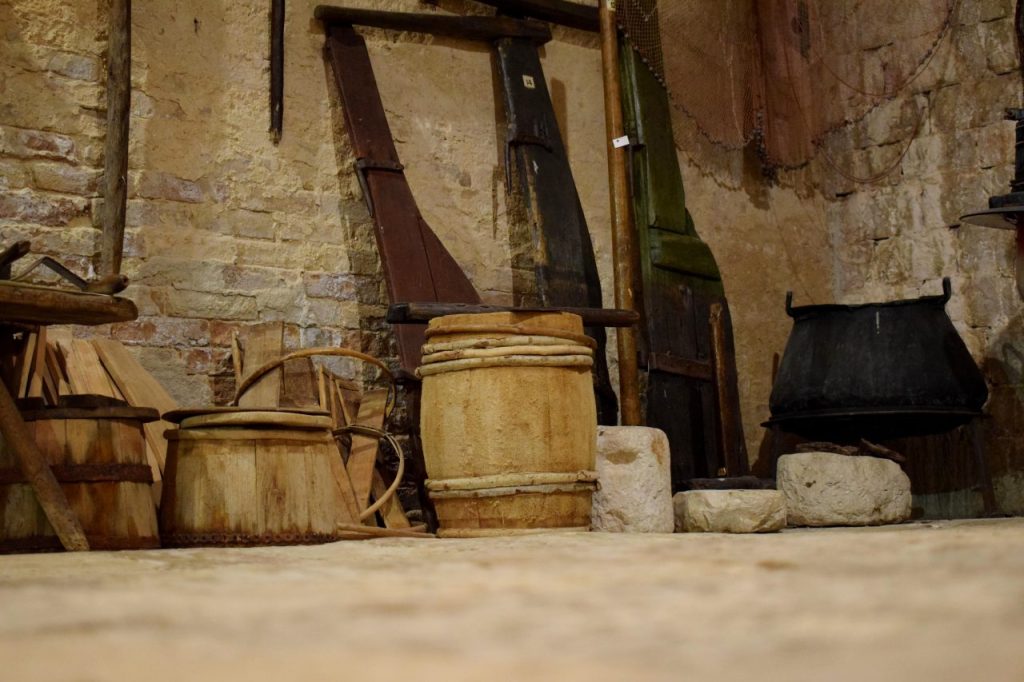
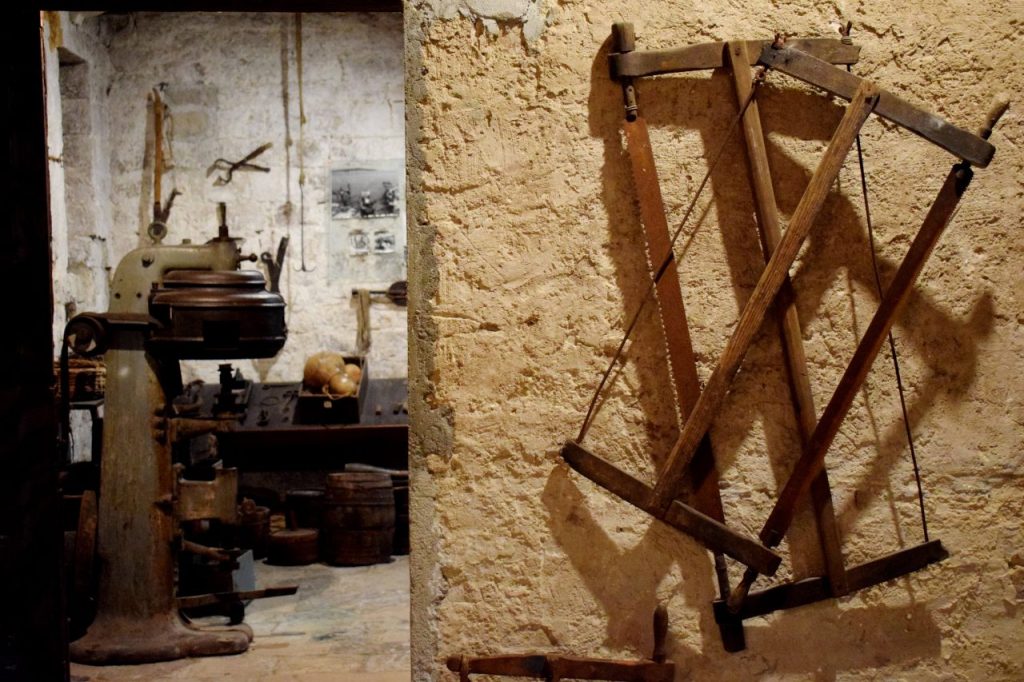
The Fisherman’s Museum in Vrboska is starting a new phase of its activities in a new building on the northern coast of the town. The permanent exhibition is now housed in its own space, which for the first time enables adequate treatment of the museum’s holdings, as well as a systematic program throughout the year. The museum is a component of the Jelsa Municipal Museum and preserves a rich ethnographic collection from the second half of the 19th and first half of the 20th centuries
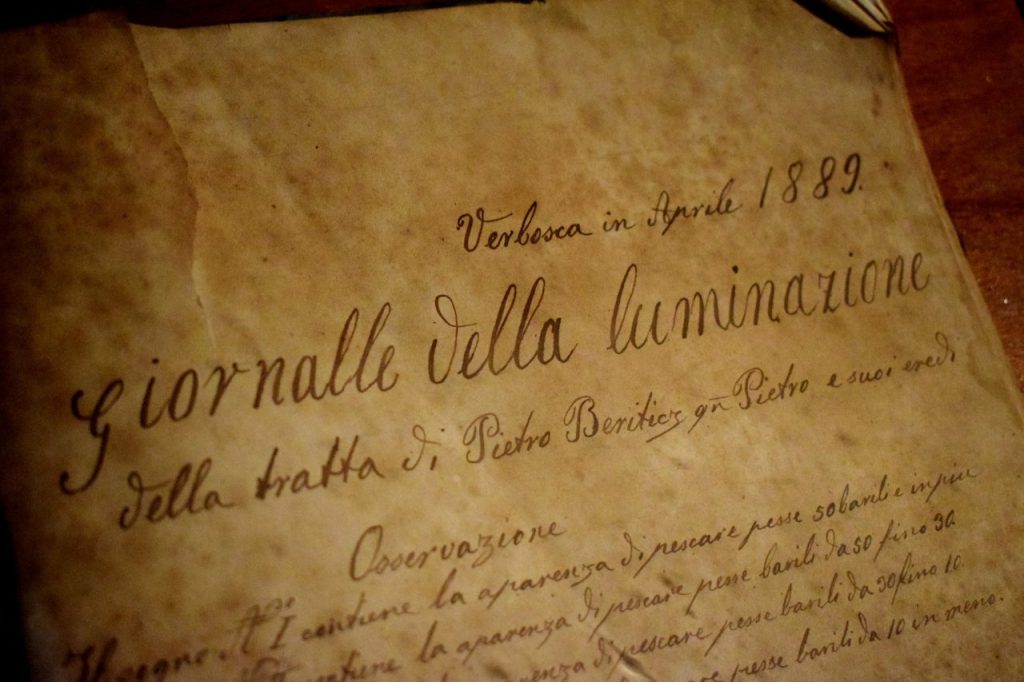
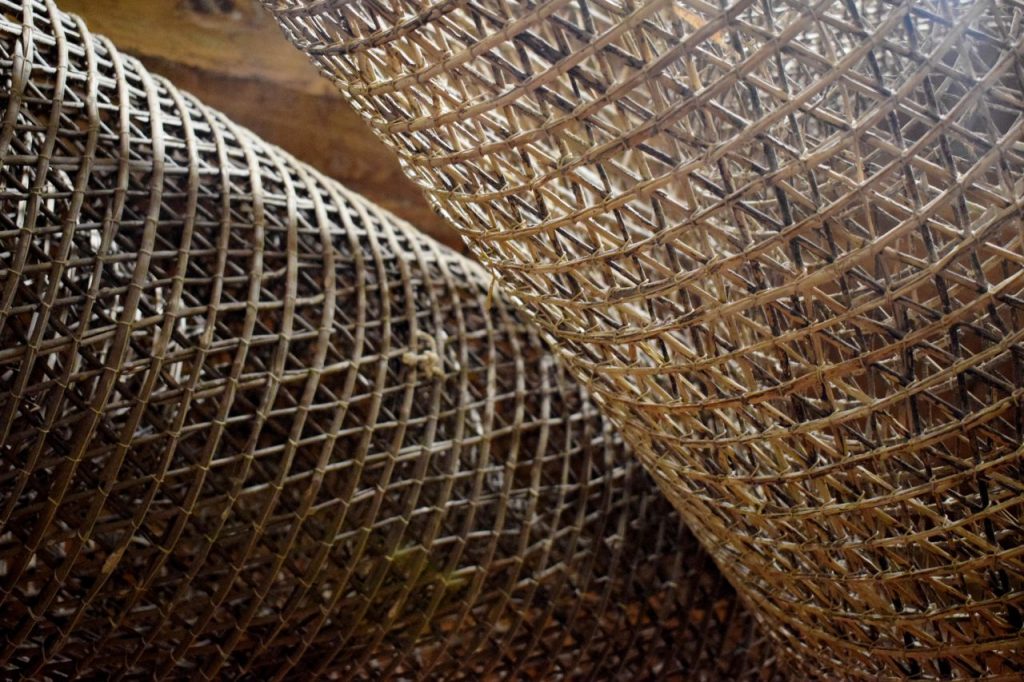
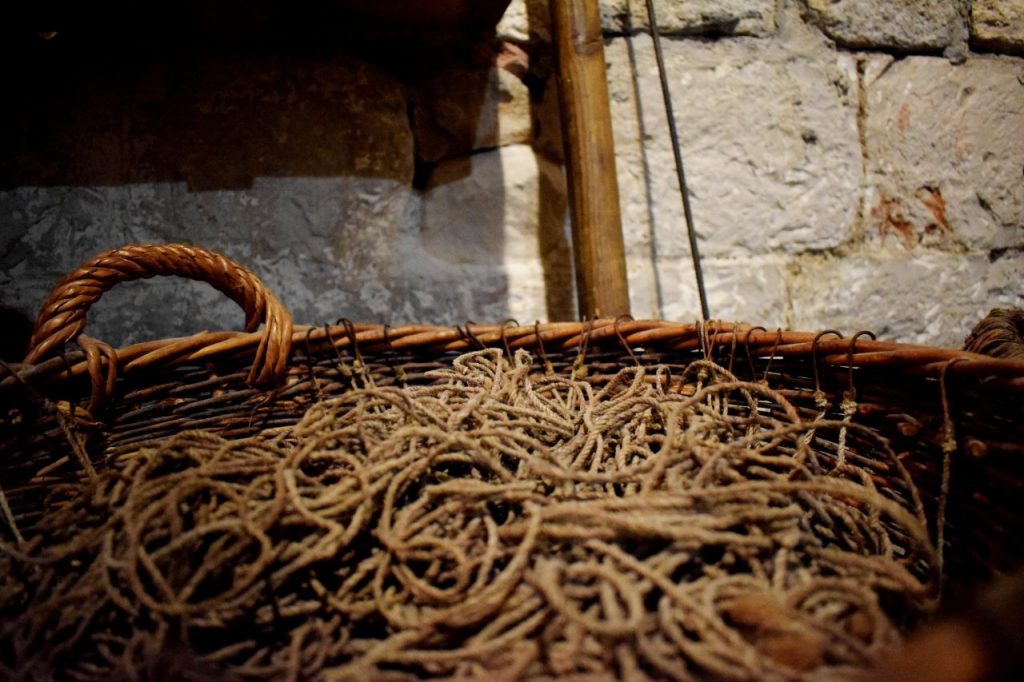
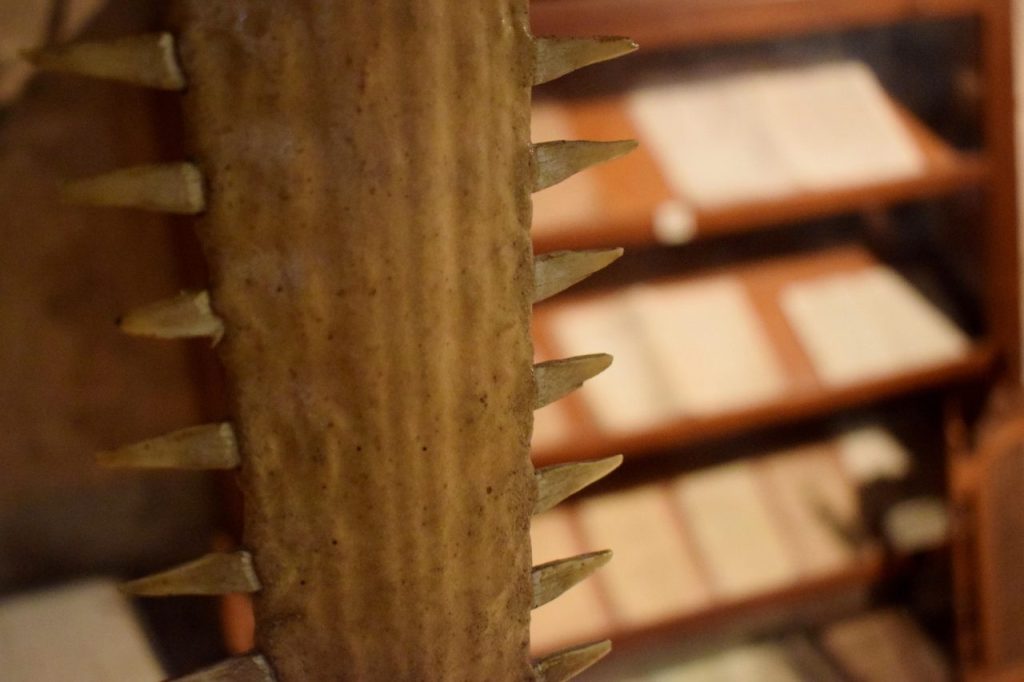
The objects in the collection document traditional fishing techniques, fish processing methods and the everyday lives of island fishermen. Special focus is placed on the fishing of small pelagic fish, especially sardines, and the use of scivals – traditional lanterns used for night fishing by the light of pine trees.
Starting in a tavern – the power of togetherness and volunteerism
The museum was founded in 1972 as part of the Center for the Protection of Cultural Heritage of the Island of Hvar. The initiator was Antun Ružević, a native of Vrbovlje, who kept the first museum items in his own tavern. In a short time, the community collected numerous exhibits from yards, attics and old houses. Everything was done on a volunteer basis, without financial resources. The first space of the museum was the ground floor of the house of Prof. Mate Dežulović on the waterfront, where it operated for 50 years.
The pioneering spirit and enthusiasm of locals, fishermen and local experts shaped the museum as a central place for preserving local heritage. Niko Duboković and archaeologist Mladen Nikolanci also participated in its founding, contributing to the formation of the professional staff and establishing cooperation with professional institutions.
Photography as a keeper of time
The museum’s first employee was photographer Andro Damjanić, known as the “bard of Dalmatian photography.” His photographs capture the relationship between the urban and the rural, and the everyday life of the island community. His work from that time has become an integral part of the museum’s visual identity. As a guide and guardian, Damjanić left a legacy to the museum in the form of some of the most famous photographs of Vrboska from the 1970s.
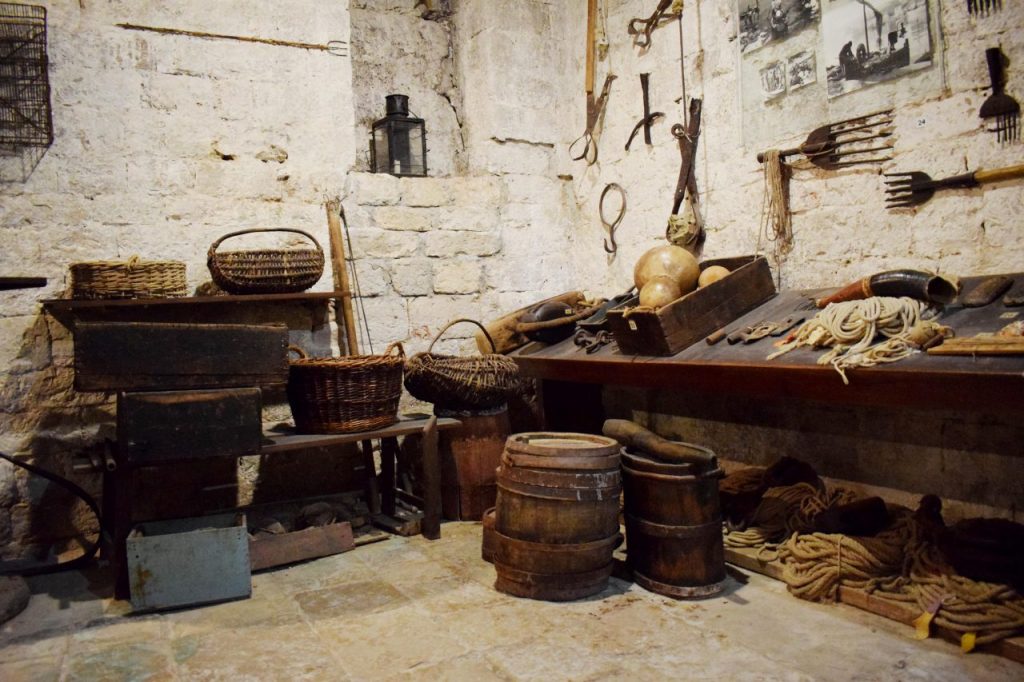
Heritage is not just the past, it is the future of a community
The Fisherman’s Museum in Vrboska shines as an example of how local heritage can be the foundation of cultural, educational and sustainable development. Investing in culture is not just about preserving the past – it is an investment in identity, tourism and intergenerational connections. Every island community has a unique story, and through initiatives like this, that story is given a place, a voice and an audience.
Photo: Jelsa Municipal Museum