Izvor: Dnevnik.hr Foto: Ahmet Kalajdžić / Siniša Luković
The Croatian government on Wednesday established a commission to return the training ship Jadran and other military property from Montenegro. This is one of the reasons why Croatia is withholding consent to close the foreign policy chapter in the accession negotiations.
The government states in its decision that it has been mutually agreed to consider this issue at the level of expert committees. The issue of succession of military property of the former JNA, especially the return of the training ship Jadran, is one of the open issues between the two countries.
Minister of Foreign and European Affairs Gordan Grlić Radman was appointed as the chairman of the committee. Other members of the committee are Andreja Metelko-Zgombić and Vanda Babić Galić from the Ministry of Foreign Affairs and European Affairs, and Tomislav Galić, Nikolina Volf and Želimir Latković from the Ministry of Defence.
“Croatia encourages an active and open dialogue with Montenegro in order to resolve open issues. In the spirit of mutual respect, good neighborly relations and on the basis of valid international law,” said State Secretary of the Ministry of Foreign Affairs Frano Matušić.
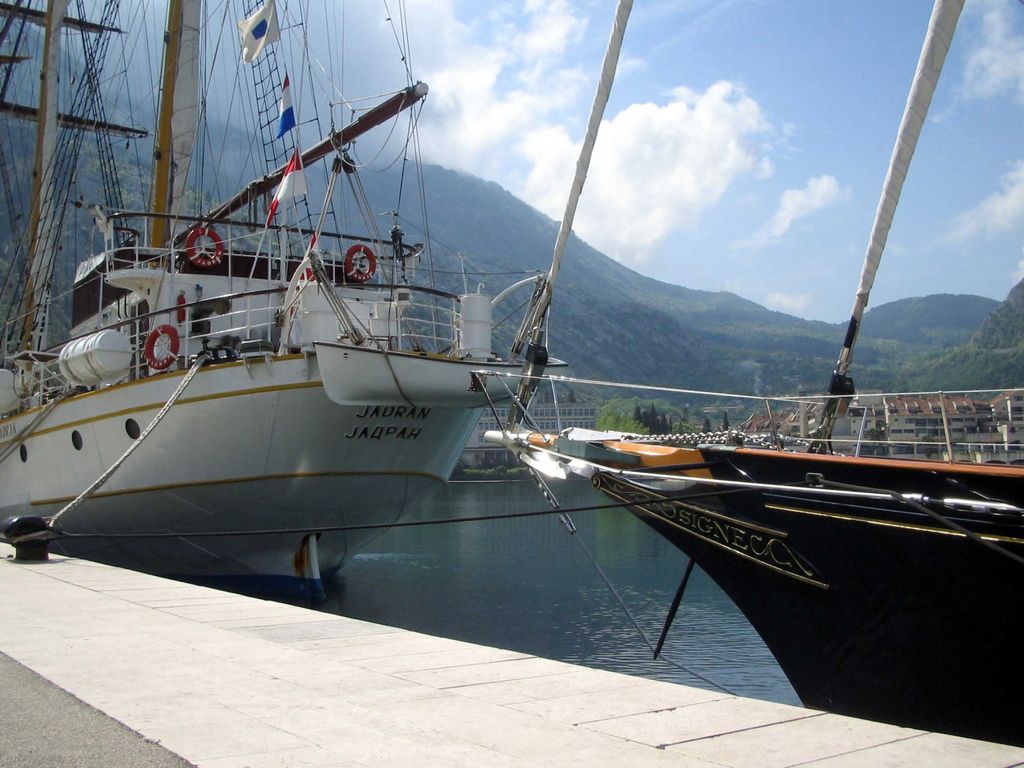
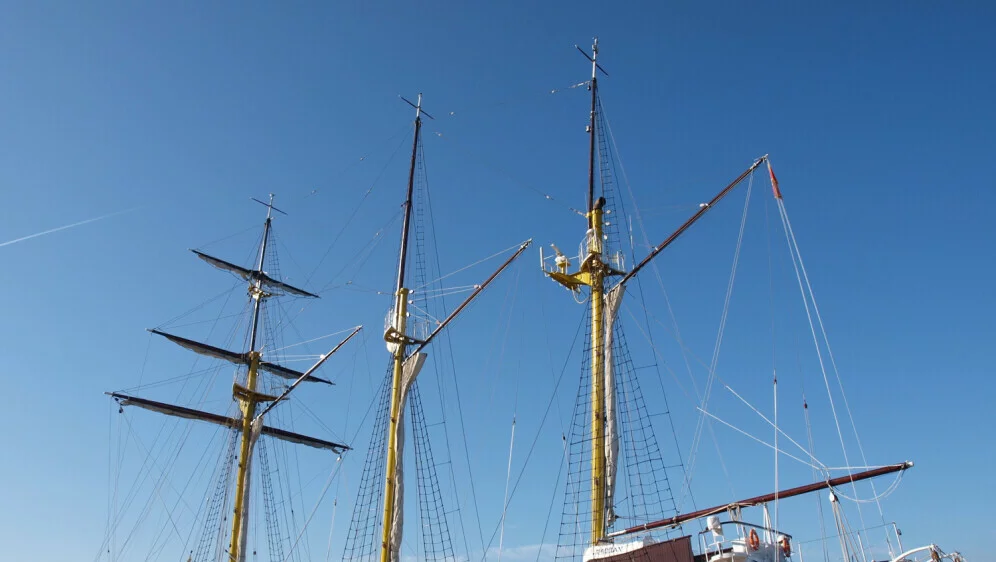
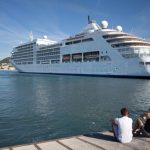
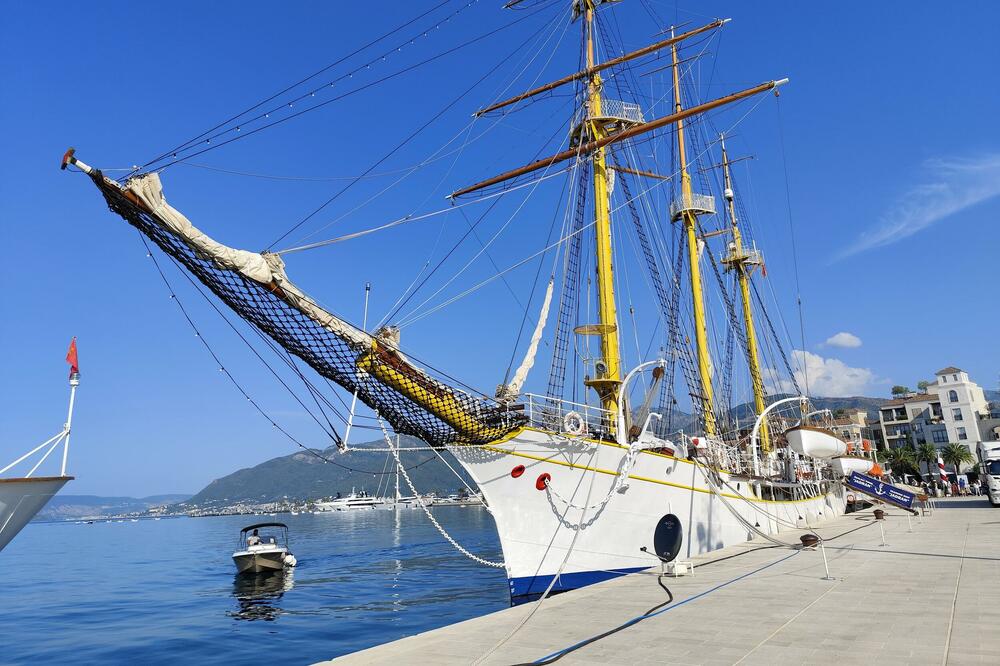
Croatia considers the training ship Jadran to be its property, its home port is Split, but at the beginning of the Homeland War it was undergoing repairs in Montenegro and since then the authorities there have refused to return it.
Zagreb is withholding consent to close Chapter 31, which deals with foreign, security and defence policy. Croatia is not blocking Montenegro, but there are “open issues” that need to be resolved. These include the Jadran ship, border demarcation, missing persons and the prosecution of war crimes.
The government also accepted the decision to purchase real estate for the Croatian Cultural Center in Ljubljana in order to preserve the position and identity of Croats outside Croatia. And through cultural, educational, scientific, informative, economic and social activities. The space will be a separate part of the Embassy of the Republic of Croatia in Slovenia, and 528 square meters will cost 860 thousand euros.
“The need to establish a Croatian Cultural Center is part of Croatia’s strategic interest. Diplomatic activities are also part of preserving the position and identity of Croats outside Croatia,” concluded State Secretary Matušić.