Split, one of the most important Croatian tourist and nautical centers, has been facing a growing imbalance between the intensive development of maritime tourism and the limited capacity of tourist boat berths for years. This problem has been further emphasized by the reconstruction of the St. Peter’s Pier, which will mean that tourist boats will not have adequate berthing space in the city’s waters for the next two years. Although the reconstruction of the pier is necessary for the safety and long-term functionality of the port, it has clearly exposed the structural problem of the Port of Split – a chronic lack of alternative berths and the absence of planned reserve capacity.
During the summer months, the pressure on the existing piers and the waterfront in the city center is already exceeding the limits of sustainability. At the same time, parts of the port area and coastal industry, which have lost their original function, remain underutilized or closed for new uses. It is in these spaces that the potential for long-term solutions lies, as confirmed by numerous positive examples from European cities.
Barcelona, Genoa, Copenhagen, Oslo, …
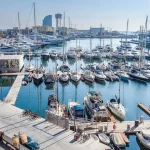
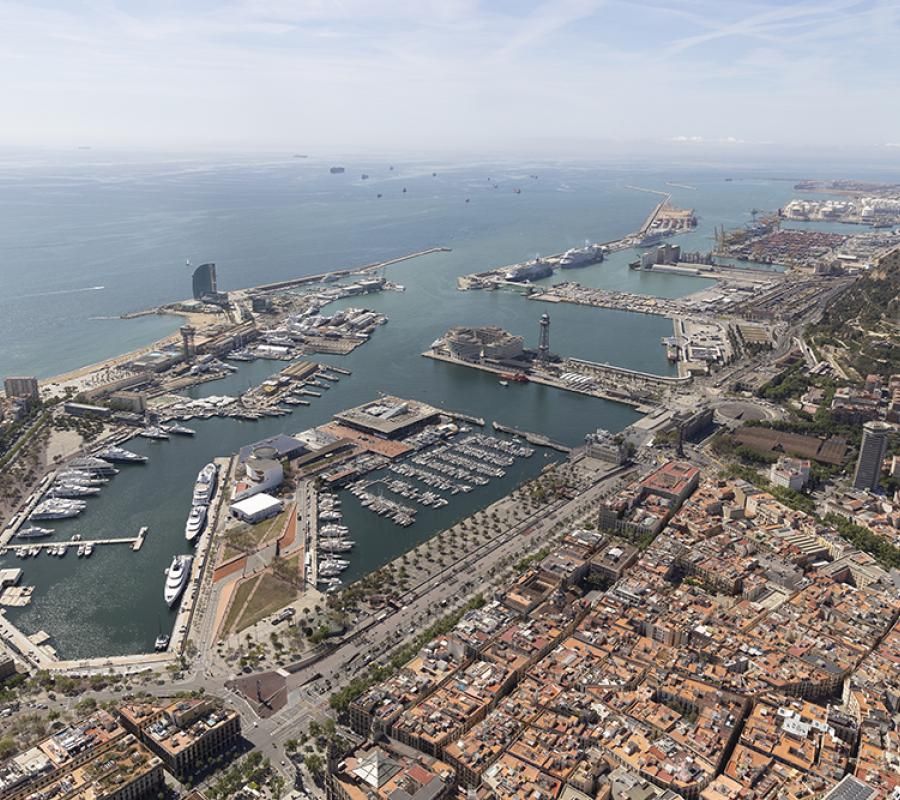
One of the most famous is Barcelona, where the former working port area of Port Vell, filled with warehouses, industry and railway tracks, has been transformed through renovation into an urban and tourist center with yacht marinas, cruise ship terminals and public promenades. This has relieved the port and given the city a new, attractive coastal zone that has become an integral part of everyday city life.

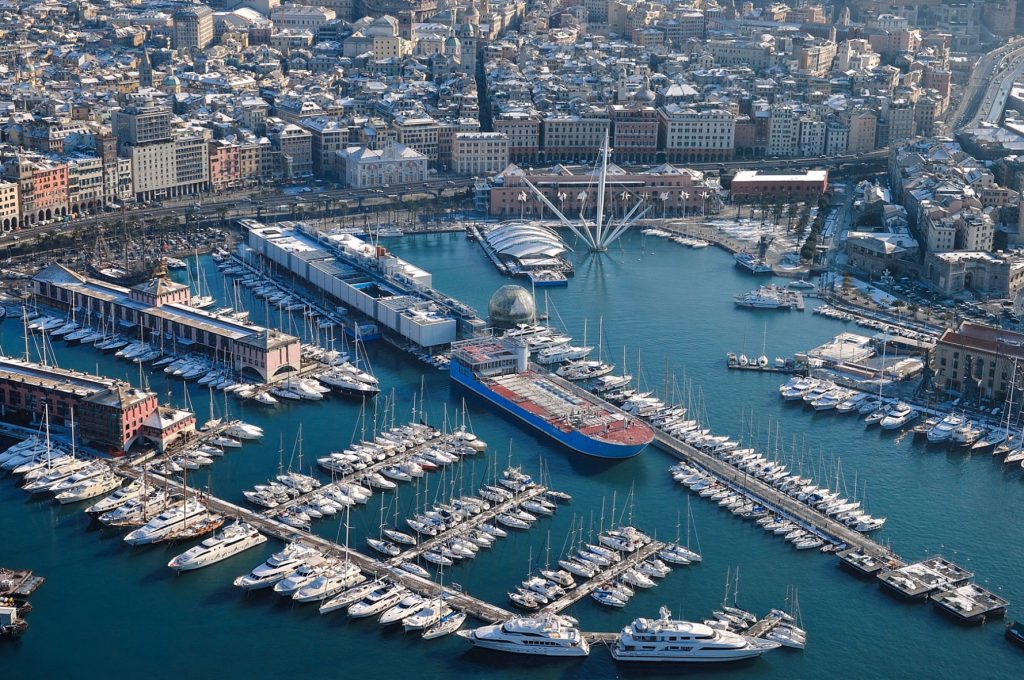
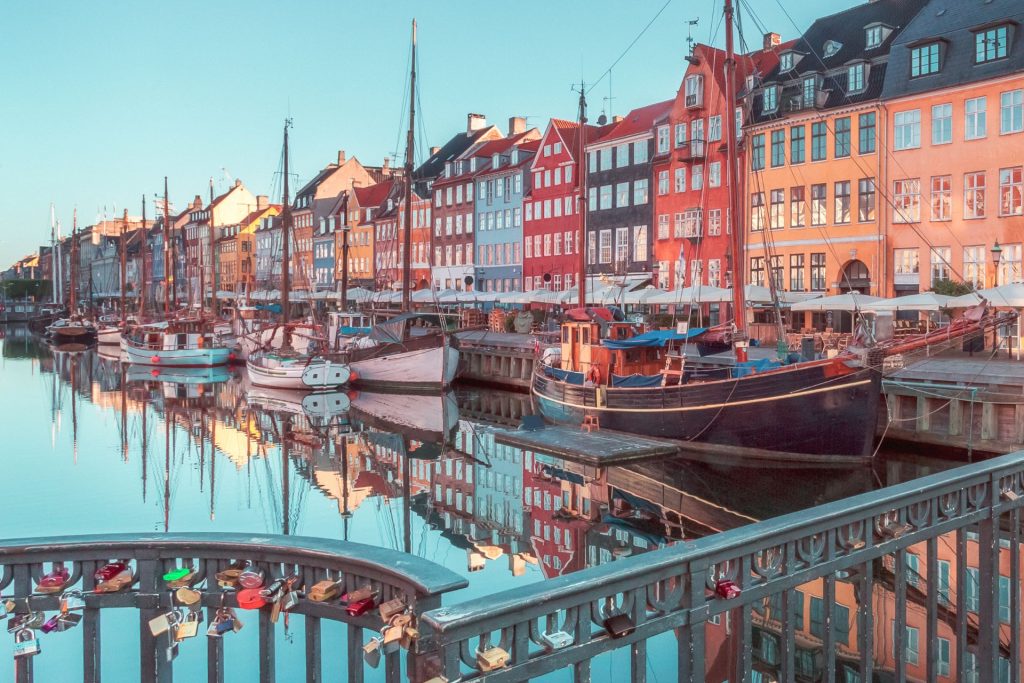
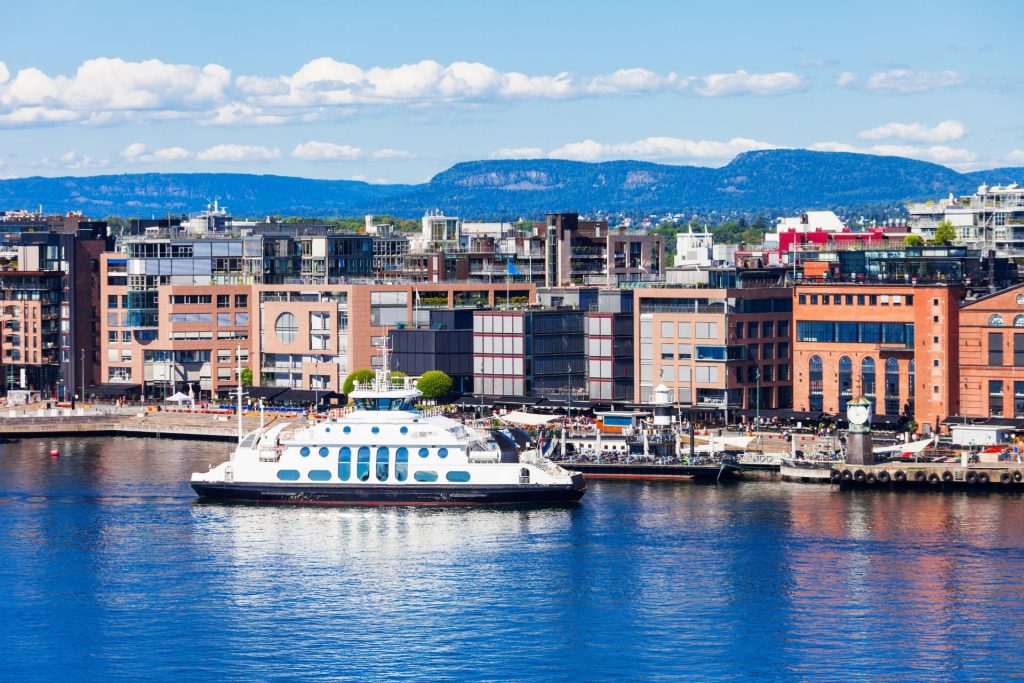
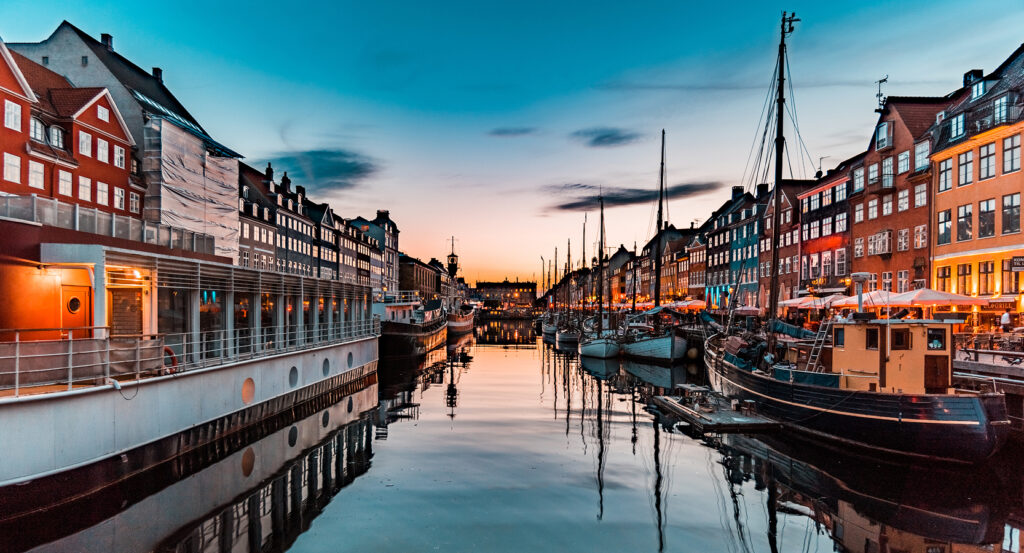
Genoa followed a similar path, where the conversion of the old industrial waterfront area of Porto Antico created a combination of a marina, a pier for tourist boats, and cultural and public facilities. Docks that had lost their cargo significance were brought closer to the city center and transformed into an active urban space. Successful examples also come from northern Europe. In Oslo, the former shipyard and industrial zone of Aker Brygge was transformed into a representative urban waterfront with a marina, moorings for yachts and tourist boats, and a long coastal promenade, today one of the most vibrant public spaces in the city. Copenhagen, by renovating its historic commercial port of Nyhavn, has created one of its most recognizable tourist symbols and a starting point for canal tours, while in Nordhavn, a large industrial and container “free port” was converted into a new city district with a cruise terminal, marinas, and mixed residential and commercial use.
Brodosplit, Salonit, port Krilo, …
For Split, these examples are particularly relevant at a time when the reconstruction of the St. Peter’s Pier will temporarily remove key infrastructure for receiving tourist ships. This intervention, although necessary, has additionally highlighted the potential hidden in unused or underused coastal industrial zones. Such as the Brodosplit area, former industrial plants such as Salonit, and other parts of the coast that have lost their original function. European experiences clearly show that the planned conversion of such zones can simultaneously provide a larger number of moorings for tourist ships, develop nautical tourism, and open new public areas by the sea.
Along with major projects, it is important to include in strategic thinking the development and reconstruction of smaller ports along the coast. Among them, the port of Krilo stands out, the modernization and expansion of which has been discussed for many years, but without any concrete progress on the ground. It is precisely such smaller ports, if developed in a planned manner and equipped with infrastructure, that can take over part of the tourist and excursion traffic, relieve the center of Split and provide much-needed berths during and off-season.

European practice shows that a sustainable port policy is not based on one large project, but on a network of functionally connected ports and piers, adapted to the real needs of the city and tourism. The combination of the restoration of key infrastructure such as St. Peter’s Wharf, the activation of unused industrial zones on the coast, and the development of smaller local ports could bring Split a long-term solution to the problem of the lack of berths. This would enable the further development of nautical tourism without expanding into pristine waters, while at the same time strengthening the economic sustainability of the port and the quality of urban life by the sea.