Source: Hina/Zelena Hrvatska Author: Blanka Kufner
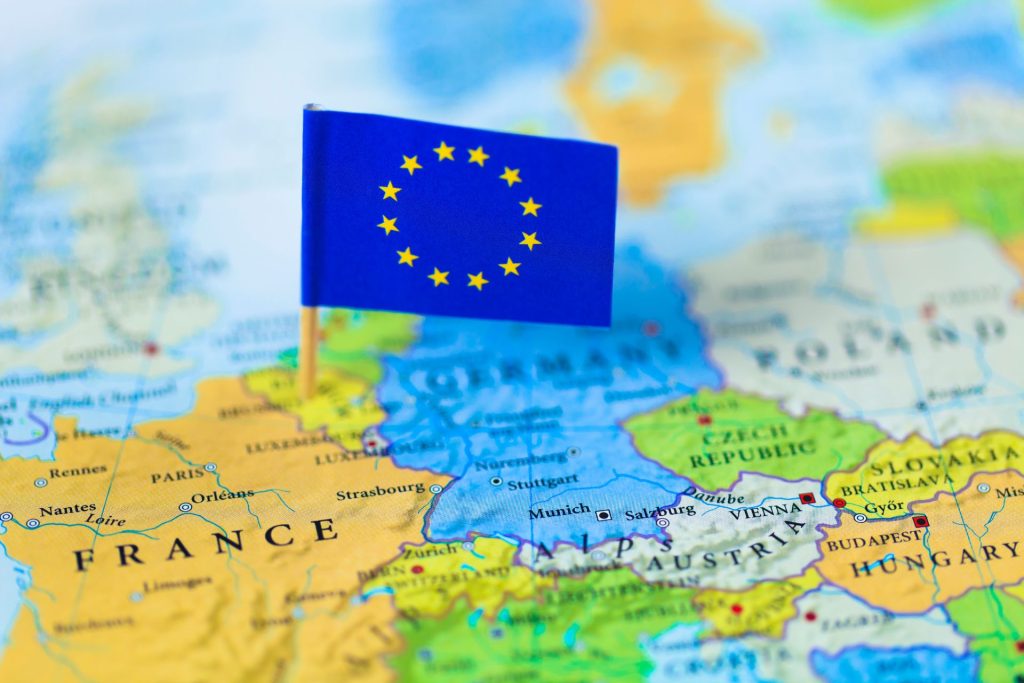
The future of European tourism lies in sustainability, innovation and resilience, so new initiatives aim to balance growth with environmental and housing concerns. The European Union’s strategy for sustainable tourism is due to be published next year.
Apostolos Tzitzikostas was sworn in at the end of January and officially took over the portfolio of European Commissioner for Sustainable Transport and Tourism. According to the European Commission, the Commissioner’s task is to make European transport more competitive, sustainable and resilient to future shocks, and to ensure that it is safe and accessible for all EU citizens.
In December last year, addressing the European Parliament’s TRAN Committee, the then Commissioner-designate presented his plan for the future of European transport and tourism. In doing so, he pledged to prioritize sustainability, innovation and resilience.
Tzitzikostas also spoke about the future of tourism and transport at the World Economic Forum in Davos. Key topics included sustainability, local community well-being and innovative travel strategies. He highlighted record tourism figures in Europe and efforts to support small businesses. He also said that new initiatives aim to balance growth with environmental and housing concerns.
For a continent that holds the title of top tourist destination globally, things are not all rosy behind the scenes. Kicking off a discussion on how to ensure that tourism does not turn into a major “headache”, the Commissioner highlighted that EU tourism generated a staggering three billion overnight stays last year, around half of which were from international tourists.
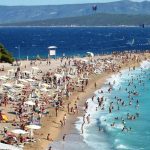
He highlighted the Union’s success as a “tourism superpower”, reminding those present that this did not happen by chance. However, growing numbers are not always good news. Some destinations are suffocating under the onslaught of tourists, while local real estate markets and ecosystems are struggling to cope with growing problems. According to Tzitzikostas, better management of the sector is needed in the future.
The EU’s response to overtourism
Tzitzikostas said at the World Economic Forum summit in Davos that the planned EU strategy for sustainable tourism would allow the sector to continue to grow. When asked during a panel discussion about the reaction of European citizens to overtourism, referring to the numerous protests, the commissioner replied that developing the industry was a central part of the Union’s plan.
He agreed with comments from Saudi Arabia’s tourism minister, who said that “there is no such thing as overtourism,” but rather “unbalanced tourism” and “poor traffic management,” Euroactiv reports.
Greek Prime Minister Kyriakos Mitsotakis recognized the problem of overtourism in Europe last fall when he spoke openly about it, but he pointed out that it was occurring in only a few destinations and promised to intervene where problems arose.
Similarly, Tzitzikostas said that regions are mostly focusing on promoting their destinations rather than managing tourist flows. He hopes that tourists will be directed to areas that are “undervalued in terms of tourism.” The European Union’s strategy for sustainable tourism is due to be published in 2026, the commissioner announced.
Brojke će nastaviti rasti
The massification of tourism is inevitable, said the Secretary General of the United Nations Tourism Organization (UN Tourism), Zurab Pololikashvili, calling for “coexistence with massification” and an effort to manage tourism in the most appropriate way.
In an interview with the Spanish newspaper El País in January, Pololikashvili seemed convinced that tourism would continue to grow worldwide and that it was inevitable. “We have to be prepared to live with mass tourism because the numbers predict it,” he said. However, he warned that proper management of tourism flows was needed to avoid problems such as overexploitation of natural resources and loss of authenticity of destinations.
Regarding short-term rentals, which are one of the main causes of tension in popular tourist destinations due to the lack of housing for permanent residents, the UN Secretary-General for Tourism stressed that such accommodation should not be banned but regulated. He believes that each case should be analyzed individually and the problem of illegal rentals should be tackled.
Travel as a force for good
The president and CEO of the World Travel and Tourism Council (WTTC), Julia Simpson, while addressing the guests at the opening ceremony of last year’s ITB in Berlin, predicted at the time that 2024 will be a peak year for tourism in Europe and the world.
She said that by 2033, more than one in nine people will work in the sector globally. In just nine years, tourism will account for 11.6 percent of global GDP, and over the next decade, travel and tourism will grow twice as fast as the rest of the economy, she noted.
“Travel is one of the great accelerators of global development. And yet, the economy alone cannot capture the value of travel and tourism. Travel is a force for good in so many profound but difficult to quantify ways. In times of political polarization, it points people to togetherness. In times of ecological collapse, it teaches about the sanctity and magnificence of the natural world,” she said. Concluding her speech, Simpson emphasized the importance of focusing on sustainability.
“But just as it is best to travel with open eyes and minds, we need to be open about the challenges we face. WTTC data shows that in 2019, our sector was responsible for 8.1 percent of global emissions. That is why the tourism sector’s efforts towards more sustainable fuels such as SAF, biodiesel and alternative marine fuels are so important,” she summarized.
She also referred to modern technologies and the AI revolution. “The impact of artificial intelligence on travel and tourism will be more profound than any technological development since the invention of the World Wide Web,” said the WTTC president at ITB 2024.
Održivost
The adoption of a new global standard for measuring tourism sustainability by the UN Statistical Commission at its 55th session, held from 27 February to 1 March 2024, marked a historic milestone towards harnessing the full potential of the sector, providing a solution to the urgent need for a harmonized methodology for effectively assessing tourism sustainability.
The statistical framework for measuring the sustainability of tourism (MST) has thus become an internationally agreed reference framework for measuring the economic, social and ecological aspects of tourism. “Tourism is a powerful force for positive change when it is managed responsibly and sustainably,” said Pololikashvili at the time, adding that the adoption of the Statistical Framework for Measuring the Sustainability of Tourism marks “a paradigm shift, going beyond GDP to measure what is most important to people and the planet.”
With almost one and a half billion international tourist arrivals recorded globally, last year marked a recovery in international tourism. According to the latest UN Tourism World Tourism Barometer, an estimated 1.4 billion tourists traveled abroad in 2024, indicating a real recovery (99 percent) from pre-pandemic levels.
This represents an 11 percent increase over 2023, or 140 million more international tourist arrivals, with results driven by strong post-pandemic demand, strong performance in major source markets and recovering destinations in Asia and the Pacific.
Reconciling growth and sustainability will be key in the future, as reflected in the two main trends identified by the Expert Committee, namely the search for sustainable practices and the discovery of lesser-known destinations.