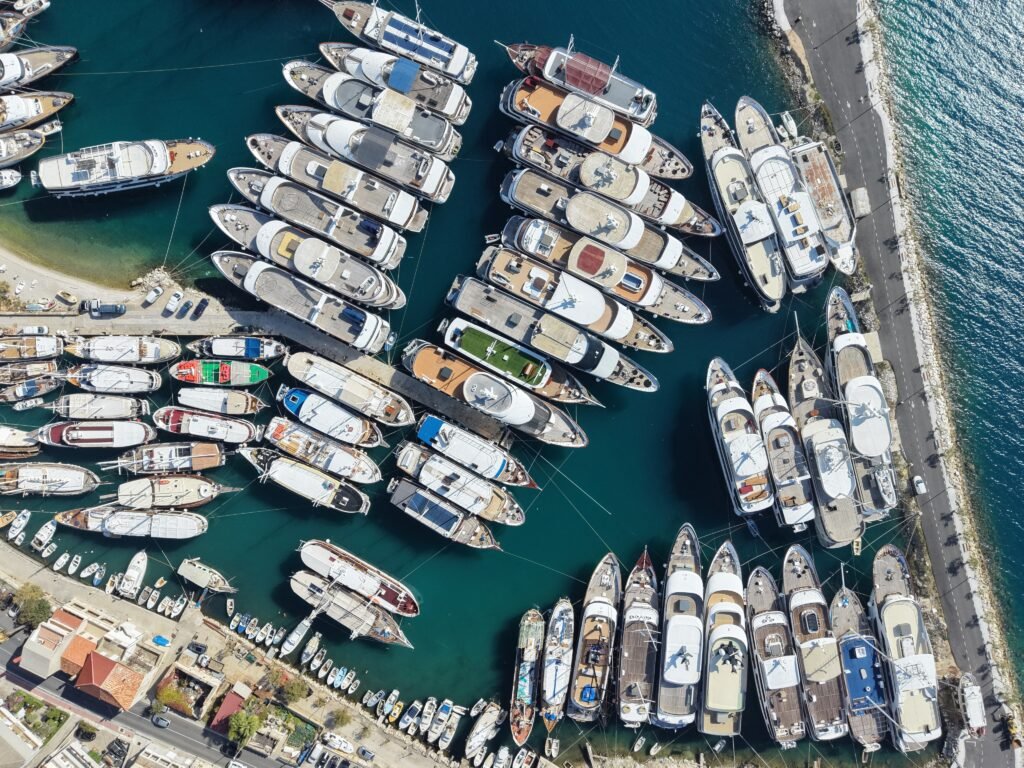
Nearly 500 vessels and yachts, more than 3,000 employees, and continuous investment in fleet modernization confirm that this is one of the most valuable segments of Croatia’s nautical offering. Despite this growth, the sector’s development remains constrained by a lack of port infrastructure and increasingly demanding regulatory requirements.
In 2025, small-scale Croatian vessel operators generated a gross revenue of 390.8 million euros—an increase of 5.8 percent over the previous year—while total payments for taxes and contributions reached 73.2 million euros, marking a growth of 8.1 percent. Over the last two years, the sector’s revenue has risen by nearly 30 percent, and its contribution to the state budget by nearly 35 percent. These are the findings of a recent study, which confirms the increasingly significant economic role of domestic tourism vessel operators and their importance to the development of Croatian tourism.
Behind these results stand 381 shipowners, a fleet of 484 vessels and yachts, and 3,012 employees. As many as 95 percent of the guests come from abroad, which clearly confirms the international recognition and competitiveness of this unique Croatian tourism product. This sector successfully combines a centuries-old maritime tradition, family-run businesses, domestic shipbuilding, and a high-value-added tourism offering.
More than just one segment of nautical tourism
A particular value of small Croatian ship operators lies in their ability to offer guests an exclusive Adriatic experience, characterized by a high level of comfort, personalized service, and access to destinations unreachable by large tourist vessels. Mini-cruisers and yachts operated by domestic shipowners now represent a recognizable form of luxury nautical tourism, and through their vessels, quality of service, and intimate knowledge of the Adriatic, Croatian entrepreneurs successfully compete with the most renowned Mediterranean destinations.
Jednako je važan i njihov doprinos produljenju turističke sezone. Dok se velik dio hrvatskog turizma i dalje oslanja na vrhunac ljetnih mjeseci, sezona malih brodara traje približno šest mjeseci, uz snažnu prisutnost gostiju u predsezoni i posezoni. Time izravno pridonose jednom od ključnih ciljeva hrvatskog turizma – smanjenju sezonalnosti i ravnomjernijem razvoju turističke aktivnosti tijekom godine. Istodobno, sve veći broj domaćih jahti izlazi na međunarodno charter tržište, čime se otvaraju mogućnosti za dodatno produljenje sezone, pa i razvoj cjelogodišnjeg poslovanja.
“Today, small-scale Croatian ship operators are much more than just a segment of nautical tourism. They represent an authentic Croatian product, a significant economic factor, and one of the best examples of how a local maritime tradition can be transformed into a modern, exclusive, and internationally competitive tourism offering. Our vessels attract high-spending guests, extend the tourist season, provide employment for local people, and generate value that remains within Croatia. The figures clearly demonstrate that this is a sector whose importance far exceeds its size,” state representatives from the Croatian Association of Private Ship Operators (HUPB).
Development driven by domestic entrepreneurs
A distinctive feature of this sector is that its development is largely based on the shipowners’ own investments. Profits generated are continuously reinvested into newbuilds, the modernization of existing vessels, the enhancement of service quality, and the introduction of modern technologies and eco-friendly solutions.
In the process, Croatian shipbuilders are increasingly entering the luxury yacht segment aimed at the international market, constructing vessels that—in terms of design, equipment, safety, and quality—can compete with offerings from the world’s leading nautical destinations.
The benefits of such development are felt far beyond the shipping sector itself. From domestic shipyards, craftspeople, suppliers, and various service providers to hospitality businesses and local communities, tourism-oriented vessel operators generate an extensive chain of economic activity—particularly in smaller towns along the Adriatic coast. Their significance is therefore simultaneously touristic, economic, and demographic, as they contribute to the preservation of jobs and the continuation of family entrepreneurial traditions.
Significant development potential also requires appropriate business conditions
Despite strong results, ship operators face a range of challenges that increasingly constrain their further development. More than a hundred vessels still lack suitable winter berths, while existing port infrastructure—particularly in Krilo Jesenice, Bajnice, and Dugi Rat—fails to keep pace with the sector’s needs and economic strength. The postponement of key infrastructure projects further complicates business operations and the planning of new investments.
At the same time, European regulatory requirements—particularly those concerning technical standards, vessel reconstruction, and environmental protection—pose an increasing challenge. Some of these requirements were designed for different types of vessels and operating conditions, failing to adequately account for the specific characteristics of the Adriatic Sea, the Croatian coast, and the business models of domestic tourism-oriented vessel operators. If applied without appropriate adjustments, transitional periods, and clear implementation rules, these requirements could jeopardize the viability of investments and even threaten the survival of a portion of the existing fleet.
The Croatian Association of Private Shipowners emphasizes that the protection of the Adriatic Sea, environmental conservation, and the safety of maritime navigation must remain unquestionable priorities. However, it is equally important to ensure that European regulations are implemented in a proportionate and professional manner, with due regard for actual operating conditions, and without imposing disproportionate costs or technical requirements that yield no commensurate benefits.
The Croatian Association of Private Shipowners, which currently brings together 264 members from Istria to Dubrovnik, believes that the time has come for the economic strength and strategic importance of this sector to be fully recognized within national development policies as well. Croatia already possesses a unique, high-quality, and internationally competitive nautical product, built through domestic expertise, capital, and entrepreneurship. Its further development is in the interest not only of vessel owners but also of Croatian tourism and the economy as a whole.